Car diagnostic scanners can save time, money, and guesswork when a warning light appears on your dashboard. The right tool helps you read codes, understand basic fault data, and decide whether a repair is simple or needs a shop.
In this roundup, we focus on practical options for everyday drivers and DIYers, from basic code readers to feature-rich scan tools with live data and reset functions.
Best 10 Car Diagnostic Scanners Picks for 2026
Budget-Friendly Check Engine Light Reader
ANCEL AD310 Classic Enhanced Universal OBD II Scanner

- Reads and clears emission-related codes quickly
- Compact, lightweight, and easy to carry
- Works with all OBDII protocols listed
Best For: Simple home diagnostics and quick CEL checks
Feature-Rich Live Data Scanner

- Live data graphing and sensor tests
- Reads, clears, and verifies check engine fixes
- Helpful I/M readiness indicators for inspections
Best For: DIYers who want more diagnostic depth
Compact Multi-Function Value Scanner
MOTOPOWER MP69033 Car OBD2 Scanner

- Built-in code lookup and live data
- Compact design with direct vehicle power
- Supports common OBD2 protocols and languages
Best For: Affordable everyday engine-code diagnostics
All-in-One Maintenance Scanner
Innova 5210 OBD2 Scanner & Engine Code Reader

- Scans codes and tests battery/alternator health
- Includes oil reset and live data features
- Free app offers verified fixes and repair guidance
Best For: Drivers who want diagnostics plus maintenance help
Simple Engine-Code Reader
ANCEL AD410 OBD2 Scanner for 1996+ Cars

- Reads and clears engine-related codes
- Live data, freeze frame, and readiness checks
- No app or battery required
Best For: Everyday drivers who want simple plug-and-play diagnostics
App-Based Bluetooth Scanner
V011 Bluetooth OBD2 Scanner for iOS & Android
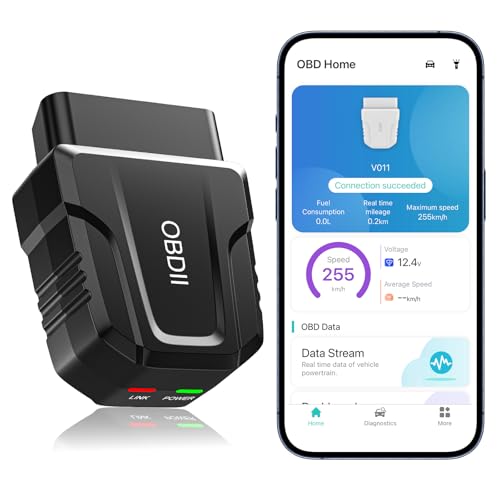
- Bluetooth 5.4 works with iOS and Android
- Charts, live data, and diagnostic reports
- Supports reading and clearing common OBD2 codes
Best For: Phone users who want wireless diagnostics and easy-to-read visuals
Budget Plug-and-Play Reader
VDIAGTOOL VD10 OBD2 Code Scanner
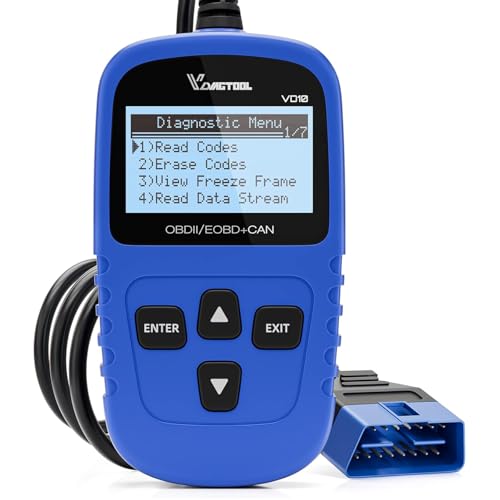
- Reads and clears DTCs with built-in lookup
- Live data, freeze frame, and readiness checks
- No battery or charger needed
Best For: DIYers who want a simple handheld reader for core diagnostics
Phone-Based Smart Scan

- Bluetooth scanner with simple app-based explanations
- Tracks scans, mileage reminders, and multiple cars
- Supports gas, hybrid, and diesel OBD2 vehicles
Best For: Drivers who want an easy Bluetooth scanner with app-based explanations and maintenance tracking
Budget-Friendly Code Reader
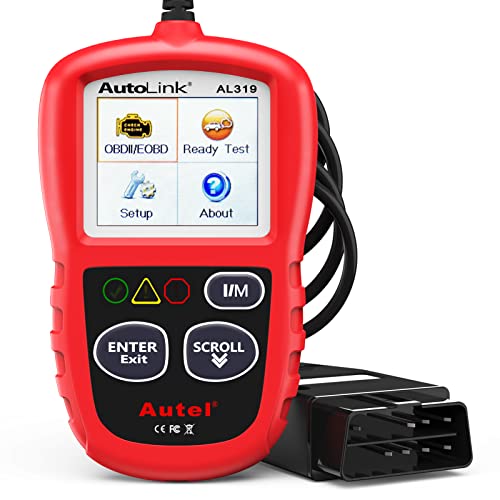
- Reads and clears DTCs with live data and freeze frame
- Simple plug-and-play design for DIY users
- Color display, speaker, and LED indicators included
Best For: DIY drivers who want an easy handheld check-engine code reader with no learning curve
Multi-System Coverage Pick

- Scans engine, ABS, SRS, and transmission systems
- Includes live data, DTC library, playback, and print
- No extra software fee and supports 60+ brands
Best For: Owners who want broader diagnostic coverage across engine, ABS, SRS, and transmission systems
Budget-Friendly Check Engine Light Reader – ANCEL AD310 Classic Enhanced Universal OBD II Scanner
If you want a straightforward car diagnostic scanner for check engine light problems, the ANCEL AD310 keeps things simple. It reads and clears emission-related trouble codes quickly, shows live data and freeze frame info, and powers directly from the OBDII port, so there’s no battery or charger to manage.
Best For: Drivers who want a compact, no-frills code reader for quick home troubleshooting of check engine light issues.
Pros:
- Reads and clears emission-related DTCs fast
- Supports all OBDII protocols listed in the notes
- Compact, lightweight design with a long flexible cable
- No batteries or charger needed
Cons:
- Only supports OBDII emission-related diagnostics
- Does not read non-OBDII systems or OBDI vehicles
Overall, the AD310 is a practical pick if you mainly need a reliable basic scanner for everyday code checks. Its value is in speed, simplicity, and broad OBDII compatibility rather than advanced system coverage.
Feature-Rich Live Data Scanner – FOXWELL NT301 OBD2 Scanner
The FOXWELL NT301 is a strong choice if you want car diagnostic scanners with more than basic code reading. It reads and clears fault codes, shows live data in graphs, and adds I/M readiness, O2 sensor, and EVAP testing for a more complete look at common engine issues.
Best For: DIY owners who want live data, smog-check help, and extra diagnostic modes without paying shop prices.
Pros:
- Reads and clears engine fault codes with one click
- Live data graphing helps spot issues in real time
- I/M readiness lights and EVAP/O2 testing add useful depth
- Bright color screen and plug-and-play operation
Cons:
- OBDII-focused, so it won’t cover non-OBD2 systems
- Compatibility can vary by vehicle year, make, model, and VIN
For shoppers who want a more informative scanner without moving into full professional territory, the NT301 offers a good balance of features and ease of use. Its live data and test functions make it especially helpful for confirming repairs and preparing for inspections.
Compact Multi-Function Value Scanner – MOTOPOWER MP69033 Car OBD2 Scanner
The MOTOPOWER MP69033 is a practical car diagnostic scanner for drivers who want useful OBD2 functions in a compact tool. It reads and erases codes, shows freeze frame and live data, and includes a built-in DTC lookup library to help you understand why the check engine light came on.
Best For: Budget-minded buyers who want a compact scanner with live data and basic code lookup.
Pros:
- Built-in DTC lookup library for easier troubleshooting
- Reads, clears, and displays live data and real-time curves
- Supports multiple OBD2 protocols and several languages
- No battery or charger required
Cons:
- Does not support ABS, airbag, or oil service light systems
- Live data requires the engine to be running
This scanner is a solid fit if you want a small, affordable tool for standard OBDII work without extra complexity. It covers the basics well and adds a few helpful extras, but it stays focused on engine-related diagnostics only.
All-in-One Maintenance Scanner – Innova 5210 OBD2 Scanner & Engine Code Reader
The Innova 5210 stands out among car diagnostic scanners because it combines engine-code reading with a battery tester and oil reset function. It also offers live data, ABS code coverage in some vehicles, and app-based repair guidance, making it useful for drivers who want more maintenance support from one tool.
Best For: DIYers who want a scanner that can help with check engine lights, battery checks, and oil reset tasks.
Pros:
- Combines OBD2 scanning with battery testing
- Includes oil reset and live data features
- Free app provides verified fixes, parts, and cost estimates
- Works with most 1996+ US, Asian, and European vehicles
Cons:
- ABS coverage may vary by vehicle
- Feature support depends on the vehicle and coverage checker results
If you want a more maintenance-focused scanner rather than a basic code reader, the 5210 is an appealing option. It adds practical everyday tools like battery testing and oil reset while still handling standard OBD2 diagnostics.
Simple Engine-Code Reader – ANCEL AD410 OBD2 Scanner for 1996+ Cars
If you want straightforward car diagnostic scanners for everyday check engine light problems, the ANCEL AD410 keeps things simple. It reads and clears engine-related codes, shows built-in code definitions, and gives you live data plus readiness checks without requiring an app or phone connection.
Best For: Drivers and DIY users who want a plug-and-play scanner for basic engine and emissions diagnostics.
Pros:
- Reads and clears engine-related fault codes with 42,000+ DTC lookups
- Shows live data, freeze frame, O2 sensor, EVAP, and I/M readiness information
- No app, battery, or charger needed; powered directly from the OBD2 port
- Works with most 1996+ OBD2 cars, SUVs, and light trucks
Cons:
- Does not support ABS, SRS, transmission, bidirectional control, or service reset
- Engine and emission codes only, so it is not a full-system diagnostic tool
For a budget-friendly scanner that helps you understand a check engine light before heading to a repair shop, the AD410 is a practical pick. It focuses on the basics and does them in a clear, beginner-friendly way.
App-Based Bluetooth Scanner – V011 Bluetooth OBD2 Scanner for iOS & Android
Among car diagnostic scanners, this Bluetooth model is geared toward drivers who want app-based convenience and visual data. The V011 works with iOS and Android, offers live data streaming and diagnostic reports, and presents readings in charts that make it easier to spot changes at a glance.
Best For: Smartphone users who want a wireless scanner with guided app support and visual data display.
Pros:
- Bluetooth 5.4 connection for wireless use with iOS and Android
- Supports DTC reading/clearing, live data, freeze frame, VIN, and readiness checks
- Displays data in charts for easier interpretation
- Covers over 96% of car makes and models from 1996 to present
Cons:
- Requires a phone app and Bluetooth setup to use
- Fault codes can only be cleared after the car is repaired, per the product notes
If you prefer a scanner that lives on your phone, the V011 offers a modern approach to everyday diagnostics. Its combination of wireless connectivity, broad compatibility, and chart-based data makes it especially approachable for beginners.
Budget Plug-and-Play Reader – VDIAGTOOL VD10 OBD2 Code Scanner
The VDIAGTOOL VD10 is a practical choice if you want car diagnostic scanners that stay focused on essentials. It plugs into the OBDII port, shows code definitions on-screen, and adds live data, freeze frame, and I/M readiness so you can handle basic troubleshooting without extra setup.
Best For: DIYers who want an easy handheld scanner for checking engine codes and emissions readiness.
Pros:
- Reads and clears generic and manufacturer-specific codes with built-in DTC lookup
- Includes live data, freeze frame, vehicle information, and I/M readiness
- Plug-and-play design with no battery or charger needed
- Supports all major OBDII protocols and most 1996+ OBDII vehicles
Cons:
- Focused on engine and emissions diagnostics rather than advanced system coverage
- Uses a basic 2-line LCD, so it is less visual than app-based scanners
For users who want a dependable no-frills reader, the VD10 covers the core diagnostic tasks well. It is a solid fit if your main goal is to read codes, check readiness, and confirm whether a fix worked.
Phone-Based Smart Scan – FIXD Bluetooth OBD2 Scanner
If you want car diagnostic scanners that make check-engine troubleshooting feel less intimidating, FIXD is built around simple phone-based diagnostics. It scans thousands of vehicle issues, explains the codes in plain language, and can save results by vehicle so you can track what changes over time.
Best For: Drivers who want an easy Bluetooth scanner with app-based explanations and maintenance tracking.
Pros:
- Scans and identifies 39,000+ issues across thousands of compatible vehicles.
- Free app provides simple explanations instead of confusing code numbers.
- Stores scans by vehicle and helps manage mileage-based reminders.
- Works wirelessly with iPhone and Android on OBD2 vehicles 1996+.
Cons:
- Feature availability may vary by vehicle make and model.
- Advanced insights and live mechanic support are tied to the optional premium trial.
FIXD is a strong pick if you want a compact scanner that stays hidden under the dash and is ready whenever you need a quick read. Its biggest advantage is simplicity: it helps you understand issues without needing much technical knowledge.
Budget-Friendly Code Reader – Autel AL319
Among car diagnostic scanners, the Autel AL319 stands out as a straightforward plug-and-play option for checking engine codes and basic live data. It is designed for end users and DIYers who want a simple way to read, clear, and look up DTCs without a complicated setup.
Best For: DIY drivers who want an easy handheld check-engine code reader with no learning curve.
Pros:
- Reads and clears DTCs, with DTC lookup, live data, freeze frame, and I/M readiness.
- Plug-and-play design with a simple interface and no batteries required.
- Includes a color display, built-in speaker, and LED indicator for easier use.
- Supports many post-1996 OBD II vehicles and offers lifetime free updates.
Cons:
- Focused on core OBD II functions rather than advanced system coverage.
- Not intended for users who need maintenance or service-relearn features.
The AL319 is a practical choice if you mainly want to confirm why a check engine light is on and clear the code after repairs. It keeps things simple while still offering enough data to help you decide your next step.
Multi-System Coverage Pick – FOXWELL NT604 Elite
If you want car diagnostic scanners that go beyond a basic engine-code check, the FOXWELL NT604 Elite focuses on common problem areas like ABS, SRS, engine, and transmission. It is aimed at car owners who want to pinpoint warning-light causes before heading to a repair shop.
Best For: Owners who want broader diagnostic coverage across engine, ABS, SRS, and transmission systems.
Pros:
- Scans engine, ABS, SRS, and transmission systems in one tool.
- Includes live data, built-in DTC library, data playback, and print support.
- Works out of the box with the latest software and no extra software fee.
- Supports 60+ car brands and includes AUTOVIN for faster vehicle info lookup.
Cons:
- Does not support service functions like oil reset, battery registration, or relearn procedures.
- Crash/collision SRS data cannot be cleared, and compatibility can vary by vehicle.
NT604 Elite is a good middle-ground option if you want more than basic OBD2 scanning but do not need full service functions. Its main appeal is broader system coverage in a tool that still feels practical for home use.
How We Picked These Car Diagnostic Scanners
We prioritized ease of use, vehicle compatibility, fault-code coverage, live data support, and the features most buyers actually use. We also weighed display quality, app support, and whether a scanner is better for quick check-engine checks or broader maintenance tasks.
Quick Comparison
Simple code readers are best if you only want to identify and clear check-engine codes. Bluetooth app-based tools add convenience and deeper data on your phone, while more advanced scanners can cover systems like ABS, SRS, transmission, battery testing, and service resets. Choosing the right level matters more than buying the most expensive model.
Key Buying Factors for Car Diagnostic Scanners
Vehicle Compatibility
Most modern Car Diagnostic Scanners support OBD2 vehicles, but not every model works equally well across all makes and years. Check whether the scanner covers your vehicle’s model year and whether it supports both domestic and imported brands if you plan to use it on multiple cars.
Data and Functions
Basic readers usually handle code reading and clearing, while better tools may show freeze frame data, live sensor readings, I/M readiness, and service functions. If you want more than a check-engine light fix, look for features that match your repair goals.
Display Vs. App-Based Use
Standalone scanners are straightforward and don’t depend on a phone. Bluetooth tools can be more flexible and easier to update, but they rely on an app and may vary in user experience. Think about whether you want a dedicated handheld device or a phone-connected setup.
Reset and System Coverage
If you maintain your own vehicle, features like oil reset, battery test, ABS, SRS, or transmission access can be valuable. Not every driver needs those extras, but they can make a scanner far more useful over time.
Who Should Buy Which Car Diagnostic Scanners?
Choose a basic scanner if you mainly want a fast, affordable way to read and clear engine codes. Pick a Bluetooth model if you prefer app-based diagnostics and occasional live data on your phone. Step up to a more advanced tool if you service multiple vehicles, want broader system coverage, or plan to do regular maintenance at home.
For most buyers, the best Car Diagnostic Scanners are the ones that match how often you’ll use them and how deep you need to go. A simple, reliable reader is often enough for everyday troubleshooting, while more advanced tools make sense for committed DIY mechanics.