If you spend long hours behind the wheel, the right driver alert system can help you notice fatigue sooner and reduce the risk of drowsy driving. Today’s options range from simple nap-zapper wearables to camera-based monitoring devices with eye-closure and distraction alerts.
In this roundup, we focus on practical features, ease of use, and the type of driver each product is best suited for—so you can choose a setup that fits your vehicle, routine, and budget.
Best 8 Driver Alert System Picks for 2026
Best for Early Fatigue Detection
Driver Fatigue Alarm Monitor with Pupil Detection

- Pupil detection can warn before micro-sleep sets in
- Voice alerts cover fatigue and distraction behaviors
- Tool-free suction mount fits most vehicles
Best For: Drivers who want an easy-to-install safety monitor for fatigue and distraction alerts.
Best for Drowsiness & Distraction Alerts
DMS AI Driver Monitoring System

- Tracks eye closure, yawning, phone use, and distraction
- Loud alerts are easy to notice while driving
- Infrared night support and magnetic mounting add convenience
Best For: Drivers who want an AI-based in-cab alert device for fatigue and distraction monitoring.
Best for Drivers and Study Sessions
FRCOLOR Sitting Posture Reminder
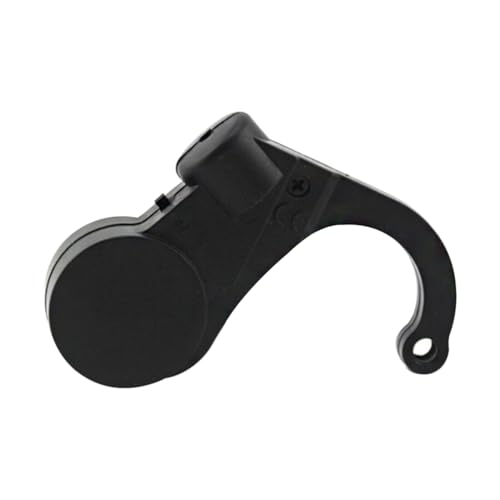
- Ultra-compact and easy to carry
- Alerts for driving, studying, and office use
- Simple wearable design for long sitting periods
Best For: Drivers, students, and office workers who want a portable reminder to stay alert.
Best for Fatigue Detection
Fatigue Driving Warning Device

- Face, blink, and pupil detection for drowsiness alerts
- Voice prompts and alarms for distracted or fatigued driving
- Easy suction-cup mounting for broad vehicle compatibility
Best For: Drivers who want a basic in-cabin fatigue warning device for long trips and daily use.
Best for Multi-Use Alerts
LGI Driver Fatigue Alarm 3-in-1 Sleep Alarm

- Simple fatigue-alert concept for drivers and night-shift workers
- 3-in-1 positioning broadens its use beyond the car
- Compact, easy-to-understand safety tool
Best For: Drivers and security staff who want a compact fatigue alarm for routine or occasional use.
Best Wearable Alarm
NOD-Stopper Over-Ear Driver Alert Device
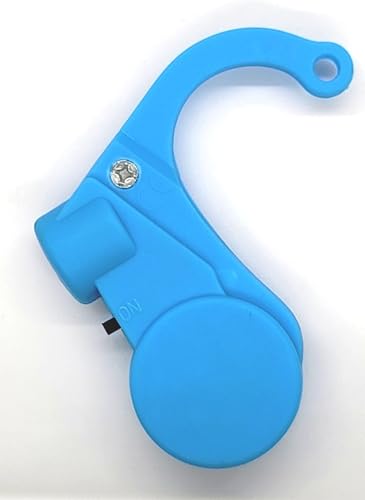
- Wearable over-ear alert for drowsy driving
- Lightweight and comfortable, even with glasses
- Simple, focused anti-doze reminder
Best For: Drivers who want a discreet wearable alert to help prevent dozing behind the wheel.
Best for Simple Wearable Alerts
Narcolepsy Nap Zapper Anti-Sleep Alarm

- Lightweight over-ear design
- Can be worn with glasses
- Simple drowsy-driving reminder
Best For: Drivers who want a basic wearable alert to help combat drowsiness on long trips.
Best for Drowsy Drivers

- Ear-worn sleep warning device
- Lightweight and glasses-friendly
- Simple alert for drowsy driving
Best For: Drivers who want a compact, wearable drowsiness reminder for everyday trips.
Best for Early Fatigue Detection – Driver Fatigue Alarm Monitor with Pupil Detection
If you want a practical driver alert system that goes beyond simple drowsiness beeps, this monitor is designed to catch risky behavior early. With pupil detection, voice alerts, and 8 IR LEDs, it aims to warn drivers before fatigue turns into a dangerous lane drift or micro-sleep event.
Best For: Long-haul drivers, rideshare operators, bus drivers, and seniors who want a simple, no-tools safety reminder that can be mounted quickly in most vehicles.
Pros:
- Detects multiple warning signs, including yawning, head drooping, phone use, smoking, and distracted looking
- Pupil detection and voice alerts help provide earlier warning than basic fatigue alarms
- Quick suction-cup installation works on dashboards, windshields, and center consoles
- Useful for a wide range of vehicle types and driving jobs
Cons:
- Camera-style detection may require proper positioning and lighting conditions to work best
- Not a substitute for rest, breaks, or attentive driving habits
- Some drivers may prefer a simpler, less feature-heavy alarm
Overall, this is a strong driver alert system for buyers who want broader fatigue and distraction monitoring in one compact unit. It stands out for combining early pupil-based detection with easy installation, making it a sensible pick for work vehicles and high-mileage drivers.
Best for Drowsiness & Distraction Alerts – DMS AI Driver Monitoring System
If you want a practical driver alert system that watches for signs of fatigue and distraction, this DMS unit covers the main in-cabin risks: eye closure, yawning, smoking, phone use, and head-drop or looking-away behavior. It’s aimed at drivers who need an audible warning rather than a complex fleet platform.
Best For: Drivers of cars, trucks, vans, RVs, and service vehicles who want an AI-based alert device for fatigue and distraction monitoring.
Pros:
- Detects several common unsafe behaviors, not just drowsiness
- Loud audio warnings can get attention quickly
- Infrared lighting and HD face capture help for night driving
- Magnetic mount and Type-C power make installation straightforward
Cons:
- Focused on alerts, so it doesn’t replace broader fleet safety telematics
- Effectiveness depends on camera angle and proper face visibility
- May be more than casual drivers need for everyday commuting
As a driver alert system, this model stands out for combining fatigue and distraction detection in one compact device. It makes the most sense for drivers who want an early warning tool that is simple to mount, easy to power, and designed to reduce risky in-cab behavior.
Best for Drivers and Study Sessions – FRCOLOR Sitting Posture Reminder
This compact alert device works as a simple driver alert system for long drives, night routes, and extended study sessions. If you want a lightweight reminder that can help fight drowsiness and prompt posture awareness without adding bulk, this FRCOLOR pick keeps the focus on timely alerts.
Best For: Drivers, students, and office workers who need a portable alert reminder for long periods of sitting.
Pros:
- Lightweight and very compact for easy everyday carrying
- Helps alert drivers during long or nighttime trips
- Useful beyond driving, including study and office use
- Discreet design is comfortable for extended wear
Cons:
- More of a reminder tool than a full-featured safety device
- May be too basic for buyers wanting advanced fatigue monitoring
- Best suited to alerting and posture cues, not active intervention
As a budget-friendly driver alert system, this FRCOLOR device is best viewed as a portable nudge to stay awake and attentive rather than a high-tech safety upgrade. Its strength is versatility: it can travel easily from the car to the classroom or desk.
Best for Fatigue Detection – Fatigue Driving Warning Device
If you want a practical driver alert system that watches for signs of drowsiness or distraction, this fatigue driving warning device is built around pupil, blink, and face-detection prompts. It’s aimed at helping drivers catch lapses early with voice alerts before fatigue turns into a safety issue.
Best For: Senior drivers, truck drivers, and frequent commuters who want an in-cabin alert device for fatigue and inattentive driving.
Pros:
- Uses face, blink, and pupil detection to flag fatigue or distraction
- Voice prompts and alarms respond quickly when eyes close or attention drifts
- Simple suction-cup mounting makes it easier to install in many vehicles
- Works as a focused driver alert system for long drives and daily commuting
Cons:
- Requires proper positioning and calibration for reliable detection
- Needs vehicle power and a 12V-to-5V setup via the included lighter plug
- Less useful if the driver often changes posture or faces away from the sensor
Overall, this is a straightforward driver alert system for shoppers who care more about fatigue warnings than extra smart features. If your priority is an audible reminder to stay awake and attentive, it covers the basics well.
Best for Multi-Use Alerts – LGI Driver Fatigue Alarm 3-in-1 Sleep Alarm
This LGI unit is a straightforward driver alert system designed to help catch drowsiness before it turns into a problem. Its 3-in-1 positioning makes it appealing for drivers, security guards, and anyone who needs a simple anti-sleep reminder during long shifts or late-night trips.
Best For: Drivers and security staff who want a compact, no-frills fatigue alarm for occasional or routine use.
Pros:
- Simple fatigue-alert concept for drivers and night-shift workers
- 3-in-1 positioning broadens its use beyond the car
- Compact, easy-to-understand safety tool
Cons:
- Feature set is basic compared with more advanced driver alert system options
- Best suited as a reminder tool, not a full safety solution
For buyers who want a low-complexity driver alert system, this LGI alarm is a practical pick: it focuses on keeping attention up without adding a lot of setup or extra features. It makes the most sense when you want a quick, portable fatigue warning for work or travel.
Best Wearable Alarm – NOD-Stopper Over-Ear Driver Alert Device
If you need a simple driver alert system to help keep you awake on the road, the NOD-Stopper is a lightweight over-ear alarm designed to warn you before you doze off. It’s aimed at drivers who want a compact, wearable reminder rather than a more complex in-car device.
Best For: Drivers who want a wearable anti-doze alarm that’s comfortable, discreet, and easy to wear with glasses.
Pros:
- Worn over the ear for hands-free alerting
- Lightweight and comfortable for extended wear
- Can be worn while wearing glasses
- Simple anti-doze reminder for fatigue-prone driving
Cons:
- Not a full-featured in-car driver monitoring system
- Single-purpose design may feel limited for some buyers
- Effectiveness depends on user response to the alarm
This is a straightforward driver alert system for people who want a wearable nudge against drowsiness, especially during long or late drives. It’s a practical fit if you value portability and ease of use over advanced tech.
Best for Simple Wearable Alerts – Narcolepsy Nap Zapper Anti-Sleep Alarm
If you want a basic driver alert system that reminds you when drowsiness sets in, this ear-worn alarm is built for one job: helping keep your attention on the road. The lightweight design and over-ear placement make it a straightforward option for drivers who need an added wake-up cue during long or tiring trips.
Best For: Drivers who want a simple, wearable anti-doze reminder that can be worn comfortably with glasses.
Pros:
- Lightweight, wearable design for quick on-the-go use
- Can be worn with glasses for added convenience
- Focused specifically on drowsy-driving alerts
Cons:
- Single-purpose device with limited features
- Not a substitute for rest or safe driving habits
This is a no-frills driver alert system for buyers who want a simple alerting device rather than a full-featured electronic safety aid. Its value comes from ease of wear and a focused anti-sleep purpose, not from advanced settings or extra modes.
Best for Drowsy Drivers – NOD-Stopper Ear-Worn Alert
If you need a simple driver alert system to help catch head-nods before they become dangerous, the NOD-Stopper is a lightweight ear-worn alarm built for that job. It’s designed to warn sleepy drivers and can be worn comfortably, even with glasses, which makes it easy to keep on for longer trips.
Best For: Drivers who want a compact, no-fuss alertness reminder for commute, road-trip, or narcolepsy-related drowsiness support.
Pros:
- Worn over the ear for quick, simple use
- Lightweight and comfortable for longer drives
- Can be worn while using glasses
- Focused specifically on sleep-warning alerts
Cons:
- Doesn’t replace proper rest or safe driving habits
- Very basic design with limited extra features
As a driver alert system, this model is best viewed as a practical last-line reminder rather than a high-tech safety gadget. If you want a simple wearable nudge that helps you notice when you’re drifting off, it’s a straightforward option worth considering.
How We Picked These Driver Alert System Options
We looked for products that address real-world fatigue risks, not just flashy marketing claims. Priority factors included alert type, detection method, comfort during long use, portability, and whether the device is better suited to solo drivers, fleet use, or occasional trips.
We also considered how each Driver Alert System is meant to be worn or mounted, since usability matters as much as sensitivity. A device that is too distracting, uncomfortable, or difficult to reset is less useful on the road.
Quick Comparison
Broadly, the list splits into two categories: advanced monitoring systems that use cameras or sensors to detect eye closure, yawning, smoking, or phone use; and simpler alert devices that rely on posture cues or wearable anti-doze reminders. If you want the most complete detection, camera-based options are usually the strongest fit. If you want a lightweight, low-cost backup for staying awake, wearable reminders may be enough.
Key Buying Factors for a Driver Alert System
Detection Method
Choose the alert style that matches your concern. Some products focus on drowsiness only, while others watch for multiple signs of distraction. A more advanced Driver Alert System may offer broader coverage, but it can also be more complex to install and use.
Comfort and Fit
If you drive for hours, comfort is critical. Wearable alarms should stay secure without feeling intrusive, and in-cab units should be easy to position so they do not block visibility or create clutter.
Alert Strength and Type
Look for alarms that are noticeable enough to wake or refocus you without becoming overwhelming. Vibration, sound, and visual alerts each have tradeoffs, and the best choice depends on your driving environment.
Power and Setup
Some systems are ready to use quickly, while others require mounting, charging, or calibration. If you switch vehicles often, portability may matter more than advanced features.
Who Should Buy Which Driver Alert System?
Long-haul drivers and fleet operators will usually benefit most from feature-rich monitoring systems that can catch more than just sleepiness. Commuters and occasional road-trippers may prefer a compact, simple solution that is easy to wear and reset. If you are mainly worried about nodding off, a basic anti-doze alarm may be enough. If distraction is the bigger issue, choose a more advanced Driver Alert System with broader monitoring.
The best choice is the one you’ll actually use consistently. In this category, dependable alerts and a comfortable setup matter more than extra features you may never need.