The best car GPS devices for daily driving can do more than provide turn-by-turn directions. Depending on your needs, a dedicated navigator may offer clearer maps and voice guidance, while a vehicle tracker can help monitor location, mileage, speed, or unauthorized use.
We selected 10 options spanning portable GPS navigators, OBD plug-in trackers, wired systems, and compact no-subscription devices. Use the guide below to compare setup, connectivity, map support, tracking features, and ongoing costs before you buy.
Best 10 Car Gps Devices for Daily Driving Picks for 2026
Best All-Around Navigator
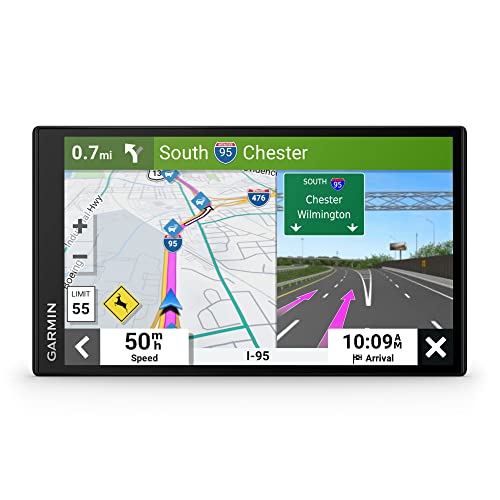
- 6-inch high-resolution display with North America maps
- Voice assist, Bluetooth calling, and Alexa Built-in
- Driver alerts and smartphone-connected live services
Best For: Everyday drivers wanting a connected dedicated GPS
Best for Mileage Tracking
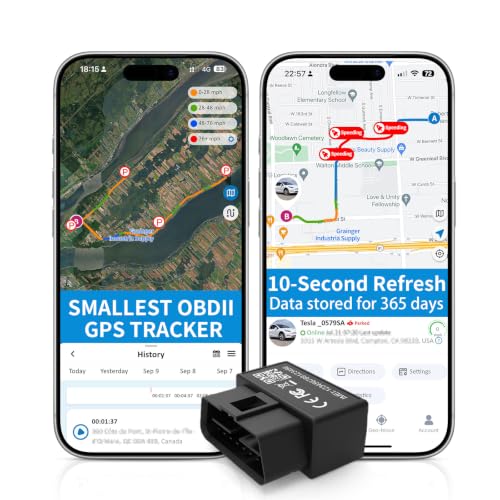
- Plug-and-play installation through the OBDII port
- 10-second tracking with driving-behavior alerts
- 12 months of history plus mileage reports
Best For: Families, fleets, and business mileage monitoring
Best Large-Screen Value

- 7-inch HD screen with day/night viewing modes
- 2026 North America maps and free lifetime updates
- Car, truck, and RV routing profiles
Best For: Drivers wanting a large, subscription-free navigator
Best Flexible Tracking Plan

- Easy OBD setup with an included extension cable
- Alerts for speeding, boundaries, harsh driving, and tampering
- One year of history with app and browser access
Best For: USA and Canada vehicle monitoring without a contract
Best Overall

- Bright 5-inch glass touchscreen
- Spoken directions and driver alerts
- North America maps with travel tools
Best For: Daily drivers wanting simple, dedicated navigation
Best No-Fee Tracker

- Works with Apple and Android networks
- No subscription or SIM card contract
- Compact, waterproof design with long battery life
Best For: Tracking cars and valuables without monthly fees
Best Budget Offline Navigator
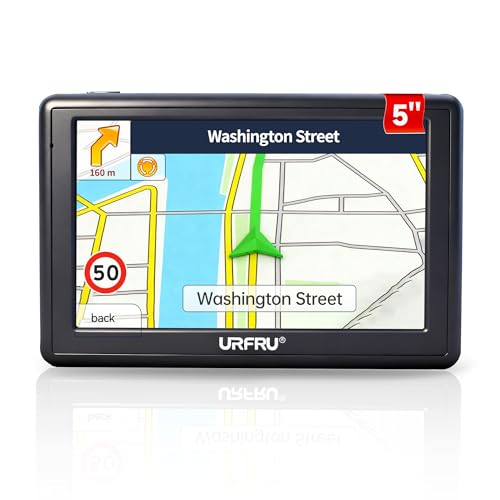
- Offline GPS navigation without mobile service
- North America maps and claimed lifetime updates
- Voice guidance and customizable routes
Best For: Drivers wanting affordable offline navigation
Always-On Vehicle Tracking

- Hardwired two-wire battery installation
- 30-second tracking with optional 10-second upgrade
- Alerts for movement, speed, geofences, and harsh driving
Best For: Ongoing vehicle monitoring with detailed alerts and reports
Dashboard Navigation
7-Inch GPS Navigator with Lifetime Maps

- 7-inch touchscreen with voice turn-by-turn guidance
- Seven vehicle modes with custom truck routing
- North America maps and supported updates through 2026
Best For: Standalone navigation for commuting and road trips
Best All-Around Navigator – Garmin DriveSmart 66
For drivers seeking car gps devices for daily driving, the Garmin DriveSmart 66 combines a clear 6-inch display with voice assistance, Bluetooth calling, and North America map coverage. Its driver alerts and smartphone-connected features make it a practical choice for everyday navigation and longer road trips.
Best For: Daily drivers who want a dedicated navigator with hands-free features, traffic-related services, and road-trip points of interest.
Pros:
- 6-inch high-resolution screen with North America maps and built-in Wi-Fi updates
- Garmin voice assist, Alexa Built-in, and hands-free calling when paired with a compatible smartphone
- Driver alerts, national parks information, Tripadvisor ratings, and Foursquare points of interest
- Includes a dual USB charger with an extra charging port
Cons:
- Several live services require a compatible smartphone and the Garmin Drive app
- Alexa Built-in requires phone pairing and should only be used when safe
The DriveSmart 66 is a feature-rich dedicated GPS for drivers who prefer a larger screen and guided assistance without relying exclusively on a phone. Its broad connected features are most useful when smartphone pairing is part of your routine.
Best for Mileage Tracking – Benbengo OBD GPS Tracker
Unlike turn-by-turn navigators, this compact OBD tracker is designed for people comparing car gps devices for daily driving with vehicle monitoring in mind. It plugs into the OBDII port, provides 10-second location refreshes, and records trips, mileage, speed, and driver-behavior events through an app or web dashboard.
Best For: Parents, fleet managers, and business drivers who need trip history, mileage reports, geofencing, and driving alerts.
Pros:
- Plug-and-play OBDII installation with a compact, discreet design
- 10-second real-time tracking with speeding, crash, geofence, braking, and acceleration alerts
- Stores up to 12 months of trip data and supports mileage report exports
- App and web access with coverage across much of North and South America
Cons:
- Requires a paid subscription after the five-day free trial
- It is a tracking and reporting device, not a dashboard navigation screen
This tracker is a better fit than a traditional navigator when the priority is knowing where a vehicle has been and how it was driven. Budget for the ongoing data plan when evaluating its overall value.
Best Large-Screen Value – Wrynthyl 7-Inch GPS Navigator
For drivers who prefer a large display, this 7-inch navigator is a straightforward option among car gps devices for daily driving. It includes 2026 North America maps, free lifetime updates, voice guidance, and routing profiles for cars, trucks, RVs, and other vehicle types.
Best For: Car, truck, and RV drivers who want a large touchscreen, vehicle-specific routing, and navigation without a map subscription.
Pros:
- 7-inch HD touchscreen with day/night modes and 2D or 3D views
- Preloaded 2026 maps for the United States, Canada, and Mexico with free lifetime updates
- Custom routing can account for vehicle height, weight, and width
- Includes voice guidance, lane guidance, safety alerts, and FM audio transmission
Cons:
- Supplied details list USB connectivity but do not indicate smartphone-connected live traffic services
- Its larger screen may be less suitable for drivers who want a very compact unit
The Wrynthyl stands out for screen size and vehicle-specific routing at a relatively simple, self-contained design. It is especially useful for larger vehicles where avoiding low bridges and restricted roads matters.
Best Flexible Tracking Plan – Optimus OBD GPS Tracker
The Optimus OBD tracker is aimed at vehicle monitoring rather than route guidance, making it a specialized option among car gps devices for daily driving. It installs through the OBD port and provides location, speed, driving history, trip reports, and alerts through mobile and browser access.
Best For: Vehicle owners who want installation flexibility, driving-history reports, boundary alerts, and tracking across the USA and Canada.
Pros:
- Simple OBD installation with an included extension cable
- Tracks location every 30 seconds, with an optional upgrade to 10-second reporting
- Offers speeding, harsh-driving, movement, boundary, disconnection, and tamper alerts
- Includes one year of historical data, SIM, and data plan with no contract
Cons:
- Ongoing service costs $12.95 per month, with faster reporting available as an upgrade
- Coverage is listed for the USA and Canada rather than worldwide use
- It does not function as a dedicated turn-by-turn navigation display
Optimus is a practical choice when monitoring and reporting matter more than on-screen navigation. The extension cable can help with placement, while the no-contract service offers flexibility for changing vehicle needs.
Best Overall – Garmin Drive 53 GPS Navigator
For drivers comparing car GPS devices for daily driving, the Garmin Drive 53 offers a clear, purpose-built navigation experience without relying on a phone screen. Its bright 5-inch glass display, spoken directions, and driver alerts make everyday routes easier to follow.
Best For: Daily commuters and road-trippers who want straightforward navigation with helpful visual and audio guidance.
Pros:
- Bright, high-resolution capacitive touchscreen with easy-to-see maps.
- Provides spoken turn-by-turn directions with landmark-based Garmin Real Directions.
- Includes alerts for school zones, speed changes, and sharp curves.
- Offers Tripadvisor ratings, national park navigation, and North America map coverage.
Cons:
- Battery life is listed at approximately one hour, so regular vehicle power is important.
- Its 4.97-inch display may feel compact for drivers who prefer larger screens.
The Drive 53 is a well-rounded choice when simple menus, readable maps, and driver-awareness features matter more than advanced connected services.
Best No-Fee Tracker – Hidden Vehicle GPS Tracker
Among car GPS devices for daily driving, this compact tracker serves a different purpose: locating a vehicle rather than providing turn-by-turn directions. It pairs with Apple Find My or Google Find Hub and is designed for discreet placement without a monthly subscription.
Best For: Vehicle owners who want location tracking, theft-awareness support, and a low-maintenance device without recurring fees.
Pros:
- Works with both Apple Find My and Google Find Hub on compatible phones.
- Requires no monthly subscription, SIM card contract, or separate app account.
- Compact 1.14-inch design can fit in a glove box or under a car seat.
- IP68 waterproof construction and a claimed battery life of up to 12 months.
Cons:
- Uses Bluetooth-based phone networks rather than providing dedicated turn-by-turn navigation.
- Location functionality depends on compatibility with Apple Find My or Google Find Hub.
This is best viewed as a discreet vehicle locator, not a dashboard navigator. Its strongest advantages are the small size, broad phone compatibility, and lack of recurring fees.
Best Budget Offline Navigator – URFRU 5-Inch GPS Navigator
For shoppers seeking car GPS devices for daily driving without depending on mobile service, the URFRU 5-inch navigator uses direct satellite connectivity and preloaded offline maps. It supports address, ZIP code, coordinate, and point-of-interest searches, along with several route choices.
Best For: Drivers who want offline North American navigation, voice guidance, and flexible route planning in a compact unit.
Pros:
- Works through GPS satellites without a mobile network connection.
- Preloaded USA, Canada, and Mexico maps include claimed lifetime free updates.
- Supports voice guidance, lane guidance, road-name announcements, and speed camera alerts.
- Offers fast, green, short, and convenient route options, plus vehicle-size customization.
Cons:
- GPS connection may not work indoors and should be initialized outdoors.
- Uses a resistive touchscreen, which may feel less responsive than a capacitive display.
- Traffic functionality is not specifically listed among the supplied features.
The URFRU provides a broad feature set for offline navigation, especially for drivers who value route customization and free map updates. Its smaller size also suits tight vehicle cabins.
Always-On Vehicle Tracking – Wired GPS Tracker for Cars
For drivers who want ongoing visibility rather than turn-by-turn directions, this Optimus unit is a practical option among car gps devices for daily driving. It connects directly to the car battery, reports vehicle activity every 30 seconds, and supports alerts and historical driving reports through a subscription service.
Best For: Owners who want hardwired tracking, movement alerts, and driving-history information for a personal vehicle or small fleet.
Pros:
- Direct two-wire battery installation avoids relying on a removable battery.
- Offers movement, speeding, geofence, power-disconnection, and harsh-driving alerts.
- Includes a SIM card and data plan, with one year of tracking history saved during service.
- Nationwide USA coverage and optional 10-second reporting upgrade.
Cons:
- Requires professional or hands-on hardwired installation at the vehicle battery.
- Requires a paid monthly subscription listed at $12.95.
- It tracks vehicle location and activity but is not described as a navigation display.
This is the more permanent choice for daily driving when monitoring and alerts matter more than portability. The subscription cost and battery installation are the main trade-offs for its frequent reporting and detailed vehicle insights.
Dashboard Navigation – 7-Inch GPS Navigator with Lifetime Maps
This 7-inch navigator is the most conventional choice among car gps devices for daily driving because it provides dedicated visual and voice directions without depending on a phone screen. It includes North America maps, updates supported through 2026, speed-camera and red-light alerts, and multiple vehicle modes.
Best For: Daily commuters, road-trip drivers, and households that want a standalone touchscreen navigator with voice guidance.
Pros:
- Large 7-inch touchscreen with voice and on-screen turn-by-turn guidance.
- Supports address, ZIP code, point-of-interest, and coordinate searches.
- Seven vehicle modes include truck routing based on dimensions and weight.
- Includes dashboard mounting hardware, charging cables, and setup instructions.
Cons:
- Its listed map coverage is North America rather than worldwide.
- Camera, lane, speed-limit, and route-change alerts may require drivers to stay attentive to settings and road conditions.
- It is a navigation device, not a vehicle-tracking system with remote movement alerts.
Choose this model if your priority is straightforward route guidance on a dedicated screen. Its truck-routing modes add flexibility, while the included mount and cables make it suited to regular use across multiple vehicles.
Portable Car Locator – Subscription-Free Magnetic Vehicle Tracker
For drivers focused on locating a parked or moved vehicle, this compact tracker offers a different approach to car gps devices for daily driving. It uses a hidden magnetic mount and works with Apple Find My or Android Find Hub, with no subscription fee listed in the supplied details.
Best For: Owners who want a discreet, portable locator for a car, teen-driver monitoring, or theft and towing awareness without a recurring plan.
Pros:
- No subscription fee or separate third-party app download is required according to the supplied notes.
- Compact magnetic design can be placed under a seat, in a trunk, or inside a fuse-box area.
- Compatible with Apple and Android native tracking features.
- Supports displacement alerts, geofences, and a stated battery life of up to 12 months.
Cons:
- Its feature set depends on Bluetooth, Wi-Fi, cellular, and compatible phone-network services.
- It is not presented as a dedicated turn-by-turn navigation device.
- Battery-powered operation eventually requires recharging or replacement.
This tracker is best when discreet placement and avoiding monthly fees are more important than a permanently powered installation. Check compatibility with your phone’s native tracking system before relying on it for vehicle monitoring.
How We Picked These Car Gps Devices for Daily Driving
We focused on products suited to regular commuting and everyday vehicle use rather than specialized commercial or off-road equipment. The selection includes dedicated navigation units with built-in screens, voice guidance, and updated maps, as well as trackers designed for location monitoring, mileage reports, alerts, and theft recovery.
We also considered installation difficulty, display size, network or phone dependence, update policies, subscription requirements, and compatibility with different vehicles. Because a navigation device and a security tracker solve different problems, the right choice depends on whether you need directions, vehicle visibility, or both.
Quick Comparison
- Best for dedicated navigation: Garmin DriveSmart 66 and Garmin Drive 53 offer established navigation features and purpose-built displays.
- Best for a larger screen: The 7-inch navigators are easier to read at a glance and may suit larger vehicles.
- Best for vehicle monitoring: OBD and wired trackers can provide location, speed, mileage, or alert functions.
- Best for simple, low-cost tracking: Compact Apple Find My or Android Find Hub-compatible trackers avoid traditional cellular subscriptions, but feature availability depends on the surrounding device network.
- Best for tight dashboards: A 5-inch navigator takes up less space while still providing offline navigation.
Key Buying Factors for Car Gps Devices for Daily Driving
Navigation or Tracking?
Choose a navigator if your priority is route guidance, readable maps, spoken directions, and operation without relying on a phone signal. Choose a tracker if you need to locate a vehicle, review trips, receive movement alerts, or monitor driving behavior. An OBD model is generally easier to install; a wired unit can be more discreet but requires additional installation.
Maps, Updates, and Connectivity
Check whether maps are preloaded, whether updates are lifetime or limited, and how often new roads and points of interest can be added. Trackers may require cellular service, an app, a SIM card, or a recurring plan. “No subscription” products that use Apple Find My or Android Find Hub depend on compatible phones and nearby participating devices, so they may not provide the same continuous coverage as cellular tracking.
Screen Size and Vehicle Fit
A 7-inch display is easier to read, but it occupies more dashboard space and may obstruct visibility if mounted poorly. A 5- or 6-inch unit can be a better fit in compact cars. Look for a secure mount, adjustable viewing angle, clear text, and controls that are easy to use without distracting from driving.
Power and Installation
Portable navigators typically use a vehicle power adapter and can move between cars. OBD trackers plug into a compatible diagnostic port, while wired trackers need access to the vehicle’s electrical system. Confirm connector compatibility and installation requirements before ordering.
Who Should Buy Which Car Gps Devices for Daily Driving?
Daily commuters and unfamiliar-route drivers should prioritize a dedicated Garmin or other offline navigator with a clear screen and dependable voice guidance. Parents, fleet owners, and mileage-conscious drivers may prefer an OBD tracker with reports and alerts. Owners seeking discreet installation should consider a wired tracker, provided they are comfortable with installation and plan costs. People wanting basic theft recovery without a monthly fee may choose a compact Find My or Find Hub-compatible tracker, while understanding its network limitations.