Japanese vehicles often use OBD2 systems that are straightforward to scan, but the right tool still depends on the model, the year, and the features you want.
Below, we focus on practical picks that help you read codes faster, check live data, and choose the best fit for your garage or driveway.
Best 10 Car Diagnostic Scanners for Japanese Cars Picks for 2026
JDM Specialist
ANCEL JP700 JOBD Scanner for Japanese Cars

- Supports JOBD for many Japanese imports
- Reads, clears, and explains engine codes
- Includes live data and readiness checks
Best For: Japanese import owners who need JOBD compatibility
Full-System DIY Pick

- Four-system diagnostics for engine, ABS, SRS, and transmission
- Six maintenance resets including oil, TPMS, and EPB
- Large 5-inch screen with AutoVIN and battery monitoring
Best For: DIY owners wanting broader diagnostics and reset features
Budget Basics

- Reads and clears engine codes with DTC lookups
- Includes live data, freeze frame, and readiness checks
- Simple plug-in design with no app required
Best For: Beginners who need a simple engine code reader
Wireless App Option
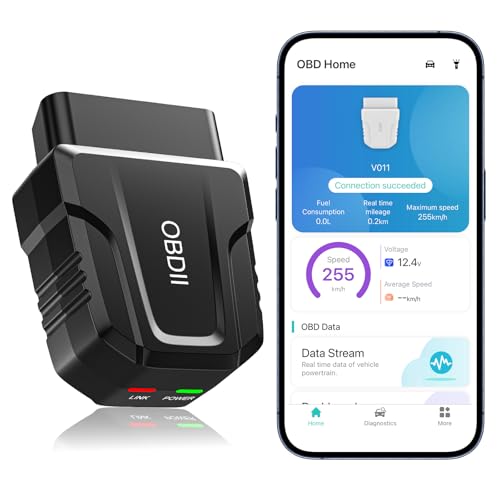
- Bluetooth 5.4 connects to iOS and Android
- Reads, clears, and charts core OBD2 data
- Compatible with many Toyota, Honda, Subaru, and Nissan models
Best For: Drivers who want app-based wireless diagnostics
Compact Basic Scanner
MOTOPOWER MP69033 OBD2 Code Reader

- Reads and clears engine codes with live data and freeze frame
- Supports 9 protocols and many 1996+ Asian/import OBD2 vehicles
- No battery needed; powered directly from the vehicle
Best For: Quick check-engine diagnosis on compatible Japanese cars
Feature-Rich DIY Choice
FOXWELL NT301 Live Data Scanner

- Reads/clears codes and adds readiness, O2, and EVAP tests
- Live data graphing helps spot issues in real time
- Supports many 2000+ Asian vehicles and all OBDII protocols
Best For: DIY diagnostics on compatible Japanese cars with live data
Best Budget Classic

- Reads and clears engine codes with live data and freeze frame
- Compact, lightweight, and powered by the vehicle
- Works with many 1996+ Asian vehicles and all OBDII protocols
Best For: Basic check-engine scans on a budget
Multi-System Choice
FOXWELL NT604 Elite - Multi-System Scanner for Everyday Diagnostics

- Scans engine, ABS, SRS, and transmission
- Includes live data and DTC library
- AUTOVIN on supported vehicles
Best For: Drivers who want broad code coverage for common warning lights
Budget Engine Reader
VDIAGTOOL VD10 - Simple Plug-and-Play Engine Code Reader
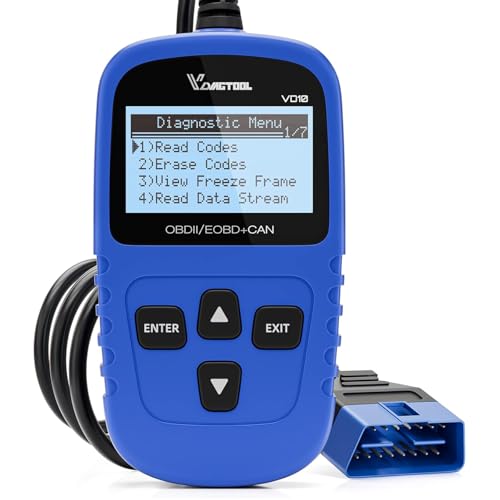
- Reads and clears engine codes
- Shows live data and freeze frame
- Works with many Asian OBDII vehicles
Best For: DIYers who want quick check-engine-light diagnostics
Easy CEL Tool
Autel AL319 - Easy Check-Engine Scanner with Clear Display
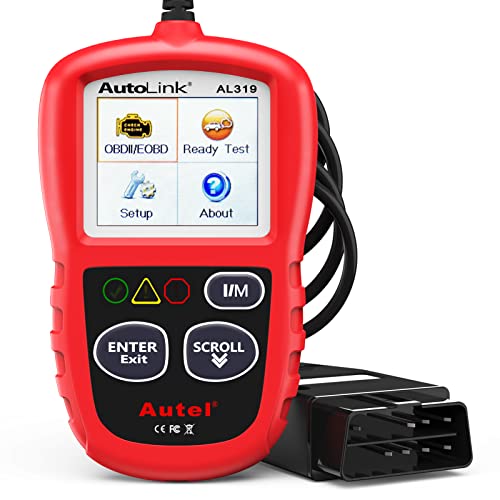
- Reads and clears engine fault codes
- Includes live data and I/M readiness
- Simple plug-and-play design
Best For: Drivers who want a beginner-friendly check-engine tool
JDM Specialist – ANCEL JP700 JOBD Scanner for Japanese Cars
If you need car diagnostic scanners for japanese cars, the ANCEL JP700 is built for one specific job: communicating with many Toyota, Nissan, Subaru, and Mazda models that can trigger a “Link Error” on generic readers. It supports the JOBD protocol, so it’s aimed at JDM owners who want engine-code access, live data, and readiness checks without guessing.
Best For: Owners of Japanese imports and JDM daily drivers who need JOBD compatibility.
Pros:
- Supports JOBD for many Japanese-market vehicles that generic OBD2 scanners may not read.
- Reads and clears codes, shows live data, and includes freeze frame and I/M readiness.
- Built-in DTC library helps explain faults before you open the hood.
- Plug-and-play design with a 3.5-inch screen and no battery or charger needed.
Cons:
- Designed mainly around Japanese cars, so it is not the broadest all-makes scanner.
- Software updates require a Windows PC.
For Japanese import owners, the JP700 stands out because it targets a compatibility gap that many basic scanners miss. If your priority is getting reliable communication with a JOBD-equipped car and handling routine engine diagnostics yourself, this is a focused and practical choice.
Full-System DIY Pick – TOPDON AD500 OBD2 Scanner
When shopping for car diagnostic scanners for japanese cars, the TOPDON AD500 is a stronger all-around option than a basic code reader. It supports engine, transmission, ABS, and SRS diagnostics, plus six maintenance reset functions, making it useful if you want one handheld tool for both fault finding and routine service tasks.
Best For: DIY owners who want broader diagnostics and reset functions on a handheld scanner.
Pros:
- Four-system diagnostics cover engine, transmission, ABS, and SRS.
- Six reset functions include oil, SAS, TPMS, BMS, EPB, and throttle adaptation.
- AutoVIN, battery voltage monitoring, and up to four live data streams add convenience.
- 5-inch screen, touchscreen plus buttons, and internal battery make it easy to use.
Cons:
- Compatibility is broad, but you should still verify support for your exact model.
- It is more tool than a simple code reader, so the feature set may be more than basic users need.
The AD500 is best viewed as a versatile DIY scanner rather than a Japanese-car-only specialist. If you want more than check-engine-light basics and like having reset features built in, it offers a lot of value for home diagnostics.
Budget Basics – ANCEL AD410 OBD2 Scanner
If you want a straightforward option among car diagnostic scanners for japanese cars, the ANCEL AD410 keeps the focus on engine-related troubleshooting. It reads and clears codes, shows live data, and provides I/M readiness, so it works well as a simple first scanner for checking a warning light before you visit a shop.
Best For: Beginners who want a simple, inexpensive engine code reader.
Pros:
- Reads and clears engine codes with 42,000+ built-in DTC lookups.
- Shows live data, freeze frame, O2 sensor test, EVAP test, and I/M readiness.
- Works on most 1996+ OBD2 vehicles, including many 2000+ Asian models.
- No app, battery, or charger required; powered directly from the OBD2 port.
Cons:
- Engine and emissions codes only; it does not support ABS, SRS, transmission, or service resets.
- Not a Japanese-car-specific scanner, so some import owners may need deeper compatibility than it offers.
The AD410 is a practical entry point if you mainly need to understand a check engine light and confirm readiness for inspection. It is simple, portable, and focused on the most common diagnostic tasks.
Wireless App Option – V011 Bluetooth OBD2 Scanner
For shoppers comparing car diagnostic scanners for japanese cars, the V011 Bluetooth scanner is appealing if you want phone-based convenience. It supports code reading and clearing, live data, freeze frame, VIN retrieval, and emissions readiness, with chart-style data views that make it easier to follow what the car is doing in real time.
Best For: Drivers who prefer app-based wireless diagnostics on iOS or Android.
Pros:
- Bluetooth 5.4 wireless connection works with iOS and Android.
- Supports DTC reading/clearing, live data, freeze frame, VIN, and onboard monitoring.
- Chart-style data visualization helps beginners understand sensor readings.
- Wide vehicle compatibility includes many Toyota, Honda, Subaru, Nissan, and Lexus models.
Cons:
- Requires a compatible phone app and the vehicle must be started for use.
- The notes indicate fault codes can only be cleared after the car has been repaired.
The V011 is a good fit if you like seeing diagnostic information on your phone instead of a handheld screen. Its wireless setup and broad compatibility make it convenient, but it still stays centered on core OBD2 functions rather than advanced system access.
Compact Basic Scanner – MOTOPOWER MP69033 OBD2 Code Reader
If you’re looking for car diagnostic scanners for japanese cars that handle basic engine-light checks without extra complexity, the MOTOPOWER MP69033 is a straightforward pick. It supports 9 protocols and works with many 1996+ OBD II and CAN vehicles, including Asian models, so it fits well as a no-frills tool for quick checks and live data viewing.
Best For: Drivers who want an affordable, compact reader for check-engine diagnosis and simple live data on compatible Japanese-market OBD2 vehicles.
Pros:
- Reads and clears engine fault codes, plus live data, freeze frame, I/M readiness, and vehicle info.
- Supports 9 protocols and many 1996+ OBD II / CAN domestic or import vehicles, including Asian cars.
- Powered directly from the OBDII port, so no battery or charger is needed.
- Includes a built-in DTC lookup library and a clear 2.8-inch LCD screen.
Cons:
- Does not support ABS, airbag, or oil service light systems.
- Best suited to engine/emissions diagnostics rather than deeper vehicle-system scanning.
Overall, this is a practical entry-level scanner for routine code reading on compatible Japanese cars. If you mainly need to identify and clear check-engine issues, it covers the essentials in a portable package.
Feature-Rich DIY Choice – FOXWELL NT301 Live Data Scanner
For shoppers comparing car diagnostic scanners for japanese cars, the FOXWELL NT301 stands out if you want more than basic code reading. It supports all major OBDII protocols, works with many 2000+ Asian vehicles, and adds live data graphing plus dedicated readiness and sensor tests for more informed troubleshooting.
Best For: DIY owners who want a dependable OBD2 scanner for check-engine diagnosis, readiness checks, and live data on compatible Japanese cars.
Pros:
- Reads and clears DTCs with one click and shows verification after repairs.
- Includes I/M readiness hotkeys, LED status lights, and audible feedback for inspection checks.
- Offers live data graphing, O2 sensor testing, and EVAP leak testing.
- Supports all OBDII protocols and many 1996+ U.S., 2000+ European, and Asian vehicles.
Cons:
- Functionality still depends on the vehicle year, make, model, and VIN.
- It remains an OBDII tool, so it is focused on engine/emissions diagnostics rather than full-system scanning.
In practice, the NT301 is a strong step up if you want clearer diagnostic data from a simple plug-in tool. It gives Japanese-car owners useful insight without requiring professional-level equipment or subscriptions.
Best Budget Classic – ANCEL AD310 OBD II Scanner
If you want a simple option among car diagnostic scanners for japanese cars, the ANCEL AD310 is a classic budget-friendly reader. It supports all standard OBDII protocols and works with many 1996+ Asian vehicles, making it a sensible choice for quick check-engine troubleshooting on compatible Japanese cars.
Best For: Budget-minded drivers who want a fast, portable code reader for basic engine and emissions checks on Japanese cars.
Pros:
- Reads and clears engine trouble codes quickly after repairs.
- Shows live data, hard memory data, freeze frame, I/M monitor readiness, and vehicle information.
- Compact, lightweight, and powered directly from the OBDII port.
- Supports all OBDII protocols and many 1996+ Asian, U.S., and European vehicles.
Cons:
- Only diagnoses emission-related issues, not unrelated engine faults.
- Does not work with OBDI vehicles, even with an adapter.
The AD310 is a strong value pick if your goal is fast, no-fuss code reading rather than advanced system coverage. For routine check-engine checks on a compatible Japanese car, it covers the essentials well.
Multi-System Choice – FOXWELL NT604 Elite – Multi-System Scanner for Everyday Diagnostics
If you want a practical option among car diagnostic scanners for Japanese cars, the FOXWELL NT604 Elite is built for drivers who need more than basic engine-code reading. It scans ABS, SRS, transmission, and engine systems, includes live data and a built-in DTC library, and uses AUTOVIN to speed up vehicle identification on supported models.
Best For: Japanese car owners who want a broader diagnostic tool for common warning lights and system checks without paying dealership prices.
Pros:
- Reads and clears common fault codes in engine, ABS, SRS, and transmission systems
- Includes live data, data playback, and a built-in DTC library
- AUTOVIN helps quickly pull vehicle info on supported cars
- Comes with a protective case and lifetime updates
Cons:
- Does not support service functions like oil reset, battery registration, or relearn procedures
- Crash/collision SRS data cannot be cleared
- Compatibility can vary by make, model, and year
Overall, this is a solid step up from a basic code reader if you need a wider view of the vehicle’s health. Just be aware that it is a diagnostic tool, not a repair tool, and it works best when your specific Japanese model is confirmed compatible.
Budget Engine Reader – VDIAGTOOL VD10 – Simple Plug-and-Play Engine Code Reader
For shoppers comparing car diagnostic scanners for japanese cars, the VDIAGTOOL VD10 is a straightforward engine code reader that keeps things simple. It reads and clears codes, shows freeze frame and live data, and includes I/M readiness so you can quickly check whether the car is ready for inspection.
Best For: DIY owners who mainly want an easy check-engine-light scanner for routine engine diagnostics.
Pros:
- Very easy to use with plug-and-play setup
- Reads codes, clears codes, and shows built-in DTC definitions
- Includes live data, freeze frame, and I/M readiness
- Supports many OBDII vehicles, including post-2009 Asian models
Cons:
- Engine-focused tool only, not a multi-system diagnostic scanner
- No batteries or charger, but it must be connected to the OBDII port to work
- Best for code reading rather than advanced repair functions
This is a practical pick if you want a no-fuss scanner for quick checks and basic troubleshooting. It gives you the core data most owners need without adding complexity.
Easy CEL Tool – Autel AL319 – Easy Check-Engine Scanner with Clear Display
If you need a dependable entry-level option in car diagnostic scanners for japanese cars, the Autel AL319 focuses on the essentials. It supports reading and clearing codes, live data, freeze frame, and I/M readiness, while its simple plug-and-play design makes it easy for non-experts to use.
Best For: Japanese car owners who want a user-friendly scanner for basic engine checks and CEL resets.
Pros:
- Reads and clears DTCs and helps turn off the check engine light
- Includes live data, freeze frame, and one-click I/M readiness
- Easy-to-use interface with color display and built-in speaker
- Compatible with many post-1996 OBDII vehicles, including Toyota, Nissan, and Honda
Cons:
- Focused on engine diagnostics rather than broader vehicle systems
- Does not include advanced service or reset functions
- Works only on OBDII-compliant vehicles
The AL319 is a sensible choice if you want a simple scanner that gets straight to the point. It offers the core features most owners need for routine engine fault checks and inspection readiness.
How We Picked the Best Car Diagnostic Scanners for Japanese Cars
We focused on Car Diagnostic Scanners for Japanese Cars that offer broad OBD2 compatibility, clear code-reading and reset functions, and a useful mix of beginner-friendly and advanced features. We also looked at whether each scanner is better suited to basic engine checks, app-based diagnostics, or deeper system coverage like ABS and SRS.
Quick Comparison
If you want a simple code reader, choose a compact handheld model. If you want live data and stronger diagnostic depth, look for a scanner with enhanced OBD2 functions or multi-system support. App-based Bluetooth tools are best for drivers who prefer using a phone, while standalone scanners are often easier for quick roadside checks.
Key Buying Factors for Car Diagnostic Scanners for Japanese Cars
Protocol and Vehicle Coverage
Most Japanese cars sold in the U.S. after 1996 support standard OBD2, but coverage can vary by brand, market, and trim. Make sure the scanner supports the vehicle years you own or service, and check for JOBD or enhanced compatibility if you work on Japanese-market vehicles.
Function Set
Basic scanners read and clear check engine codes, while better models can display freeze frame data, readiness monitors, and live sensor data. For more complete diagnostics, look for ABS, SRS, and transmission support.
Display and Ease of Use
Some users want a simple plug-and-play tool with a screen; others prefer an app-based scanner with graphing and report sharing. Choose the format that matches how you troubleshoot and how much time you want to spend learning the tool.
Power and Portability
Handheld scanners are convenient for quick checks and do not rely on a phone battery. Bluetooth scanners are more flexible but depend on a compatible device and app experience.
Who Should Buy Which Car Diagnostic Scanners for Japanese Cars?
For everyday drivers, a basic handheld code reader is usually enough. For DIY mechanics who want more detail, choose a scanner with live data and enhanced diagnostics. If you service multiple Japanese brands or want deeper system access, step up to a multi-system scanner. For phone-first users, a Bluetooth model is the most convenient option.
The best choice depends on whether you need fast code clearing, broader system coverage, or better data for diagnosis. Start with the features you will actually use, then match the scanner to the vehicles you maintain most often.