If you need a fast way to check disc brake wear, a brake rotor micrometer makes the job simple, accurate, and repeatable. These tools are designed to measure rotor thickness without guesswork, helping you decide when service is due.
Below, we focus on the best options for DIY maintenance and shop use in 2026, with an emphasis on readability, measurement range, durability, and ease of use.
Best 10 Brake Rotor Micrometer Picks for 2026
Best for Deep Rotors
Fowler Digital Deep Throat Rotor Micrometer

- 3.5-inch jaw depth for larger rotors
- Carbide-tipped faces for durability
- High-resolution readout for fine wear checks
Best For: Professional brake work on deep-set or oversized rotors.
Best for Quick Wheel-On Checks
GODESON Rechargeable Brake Rotor Gauge
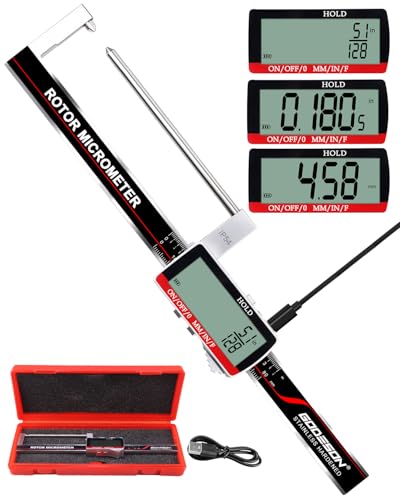
- Measures rotors without removing the wheel
- ±0.03 mm accuracy with large LCD readout
- Rechargeable USB-C power with IP54 protection
Best For: DIYers and technicians who want fast, wheel-on rotor checks on open-spoke alloy rims.
Best for Wheel-On Checks
Brake Disc Rotor Gauge Caliper Micrometer

- Long body for some wheel-on measurements
- 0–45mm range with easy metric readings
- Lightweight aluminum construction
Best For: Drivers and mechanics who need a quick rotor thickness gauge for in-place checks.
Best Digital Readout
GODESON Disc Brake Rotor Micrometer

- Large LCD screen for easy-to-read measurements
- 0-6 in / 0-150 mm range with ±0.005 in accuracy
- Stainless steel construction for durability
Best For: DIY mechanics and shop users who want a digital brake rotor micrometer with clear readings.
Best for Rotor Thickness Checks
6 Inch Digital Brake Disc Caliper

- Rotor-specific inward jaws for wear-lip clearance
- ±0.002" accuracy for confident brake decisions
- Stainless steel build with case and extra battery
Best For: DIY drivers and mechanics who need accurate rotor thickness measurements.
Best with Extra Features
Brake Rotor Measuring Tool, Digital Caliper
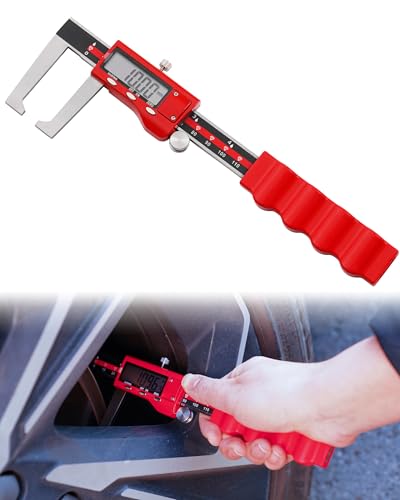
- Fits over raised rotor lips for accurate measurements
- ±0.01mm precision helps prevent unnecessary replacements
- Stainless steel build with large LCD and inch/metric modes
Best For: Drivers and DIY mechanics checking worn brake rotors with raised lips.
Best for Versatile Auto Measurement
GODESON Digital Disc Brake Rotor Micrometer

- ±0.05mm precision for brake and thickness checks
- Rechargeable, IP54 stainless steel construction
- MM/Inch/Fraction display reduces conversion errors
Best For: Drivers and mechanics who want one rechargeable digital gauge for rotors and general thickness measurements.
Best Simple Pick
HARDELL 6" Digital Brake Rotor Caliper
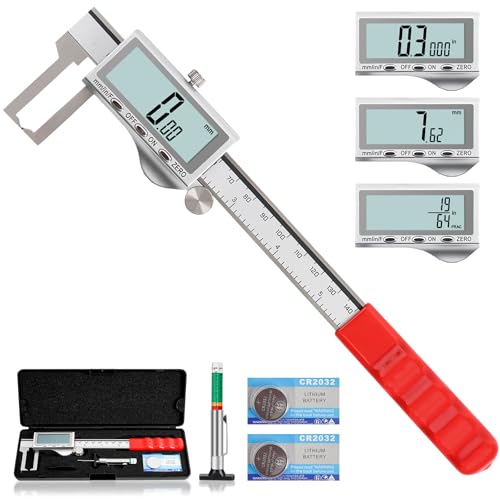
- Measures rotor thickness without removing the wheel
- Large LCD with inch/mm/fraction conversion
- Includes case, sleeve, and free tread depth gauge
Best For: Drivers and DIY mechanics who want fast, wheel-on rotor measurements.
Best for Worn Rotors – Brake Rotor Measuring Tool, Digital Caliper
If you need a brake rotor micrometer that can read through worn rotor lips and give you a quick go/no-go thickness check, this digital gauge is a practical shop-and-garage choice. It uses a stainless-steel build, a large LCD, and inch/metric conversion to make rotor measurements simple before you decide on replacement parts.
Best For: DIYers and home mechanics who want an easy-to-read rotor thickness tool for checking worn discs without removing the wheel.
Pros:
- Special jaws slide over raised rotor lips for measuring worn discs
- ±0.01mm precision helps avoid unnecessary rotor replacements
- Large LCD with inch/metric modes is easy to read in the garage
- Stainless-steel construction is built for long-term use
Cons:
- Primarily useful for rotor thickness checks, not general caliper tasks
- Digital display may be less appealing to users who prefer analog tools
- Compact size is handy, but it may feel small for some shop users
Overall, this brake rotor micrometer stands out for its lip-clearing design and straightforward digital readout, making it a strong pick when you want accurate rotor measurements without extra hassle.
Best for Deep Rotors – Fowler Digital Deep Throat Rotor Micrometer
If you need a brake rotor micrometer that can reach deep across larger discs, this Fowler & NSK model is built for the job. Its 3.5-inch jaw depth, carbide-tipped faces, and fine-resolution readout make it a practical choice for repeatable brake inspections in the shop or on the road.
Best For: Professional mechanics and mobile techs who need to measure rotor thickness and score depth on deep-set or larger brake rotors.
Pros:
- 3.5-inch jaw depth reaches across larger rotors more easily than standard micrometers
- High-resolution readings help capture subtle wear and scoring changes
- Carbide-tipped measuring faces improve durability and long-term accuracy
- Ratchet thimble supports consistent measuring pressure for repeatable results
Cons:
- Priced more like a professional tool than a basic home-use gauge
- Bulkier than compact micrometers, so it takes up more space in a kit
- Single-purpose design is overkill if you only need occasional checks
As a brake rotor micrometer, this Fowler unit stands out for reach and measurement confidence rather than simplicity. It is a strong fit when access is tight, rotor size varies, and you want dependable readings you can trust during brake service.
Best for Quick Wheel-On Checks – GODESON Rechargeable Brake Rotor Gauge
If you want a brake rotor micrometer that can measure discs without pulling the wheel, this GODESON gauge is built for fast shop checks and driveway inspections. Its 3.25-inch opening, large LCD, and rechargeable design make it a practical choice for routine rotor wear measurements on open-spoke alloy wheels.
Best For: DIYers and techs who need a wheel-on rotor measuring tool for quick, repeatable checks on accessible front wheels.
Pros:
- Measures rotors without removing the wheel on many open-spoke rims
- ±0.03 mm accuracy with a large, easy-to-read display
- Rechargeable USB-C power with battery level indication
- Stainless steel body and IP54 protection for garage use
Cons:
- May not fit dense steel wheels, shielded rear wheels, or full heat shields
- Best suited to open front rims rather than every vehicle layout
As a brake rotor micrometer, this model stands out more for convenience than universal fit: it saves time on compatible wheels, but buyers with tight spoke designs should verify clearance before relying on it for every car in the bay.
Best for Wheel-On Checks – Brake Disc Rotor Gauge Caliper Micrometer
If you want a simple brake rotor micrometer for quick pad-and-rotor checks, this long-body gauge gives you a practical way to measure disc thickness without always removing the wheel. The 0–45mm range and 1mm metric graduations make it easy to read, while the aluminum build keeps it lightweight for shop or garage use.
Best For: Motorcycle, car, and commercial-vehicle owners who want a straightforward wheel-on rotor thickness gauge for fast maintenance checks.
Pros:
- Long-body design can reach some rotors without wheel removal
- 0–45mm measurement range covers common brake disc thickness checks
- Simple metric scale is easy to read and use
- Aluminum construction keeps the tool light and durable
Cons:
- Manual reading is less convenient than a true digital gauge
- 1mm graduations are not ideal for ultra-fine precision work
- Fit and access can still vary by vehicle and rotor layout
This brake rotor micrometer is a solid pick if you mainly want fast, practical thickness checks rather than lab-grade precision. It stands out for its reach and ease of use, especially when you need to inspect rotors in place.
Best for Easy Setup – iGaging Brake Rotor Gauge
If you want a brake rotor micrometer that lets you check rotor wear without pulling the wheel, this iGaging gauge is built for that job. It combines a large digital display with a wheel-on design, making it practical for quick inspections in a shop or garage.
Best For: Drivers, DIY mechanics, and auto shops that need fast rotor measurements without removing the wheel.
Pros:
- Measures rotors with the wheel still installed
- Large digital display is easy to read
- Fine 0.0005″ / 0.01 mm resolution for precise checks
- Includes a protective case for storage and transport
Cons:
- Limited 0 to 3.2″ / 80 mm range
- More specialized than a general-purpose caliper
For anyone comparing a brake rotor micrometer against standard calipers, the main advantage here is convenience: you can verify rotor thickness quickly without extra disassembly. That makes it a strong pick for routine brake inspections and repeat use.
Best Digital Readout – GODESON Disc Brake Rotor Micrometer
If you want a brake rotor micrometer that’s easy to read and simple to use in a garage or shop, the GODESON digital model is a practical pick. It combines a 0-6 inch measuring range with inch/metric conversion, making it handy for checking rotor thickness on a wide range of vehicles.
Best For: DIY mechanics and shop users who want a digital brake rotor micrometer with straightforward readings and everyday versatility.
Pros:
- Digital LCD screen makes measurements quick and easy to read
- 0-6 inch / 0-150 mm range covers most brake rotor checks
- Stainless steel build adds durability and corrosion resistance
- Works for both brake rotors and general length/depth measurements
Cons:
- Not as specialized as a dedicated high-end machinist micrometer
- Digital tools may require battery attention over time
- Less compact than basic analog brake gauges
Overall, this brake rotor micrometer is a solid value if you prioritize clear digital readings, decent accuracy, and multi-use flexibility over ultra-premium tooling. It’s a sensible shop addition for routine brake inspections and maintenance.
Best for Rotor Thickness Checks – 6 Inch Digital Brake Disc Caliper
If you need a practical brake rotor micrometer for checking disc wear at home or in the shop, this 6-inch digital brake disc caliper is built around the job. Its inward-curved jaws help you measure true rotor thickness past the outer wear lip, and the ±0.002″ accuracy gives you a solid read when deciding whether to resurface or replace brakes.
Best For: DIY drivers, motorcycle owners, and mechanics who want a straightforward digital tool for accurate rotor thickness measurements.
Pros:
- Curved jaws are designed to clear the rotor’s outer wear lip for more accurate readings.
- ±0.002″ precision supports confident brake service decisions.
- Stainless steel build stands up well to shop use and corrosion.
- Clear LCD, unit conversion, case, and extra battery improve day-to-day convenience.
Cons:
- Digital operation means it depends on battery power.
- More tool than some casual users may need for occasional checks.
For buyers comparing a brake rotor micrometer, this model stands out for combining rotor-specific jaws with a durable stainless construction and easy readability. It is a sensible pick if you want one tool that can handle brake checks and general measuring tasks without adding complexity.
Best with Extra Features – Brake Rotor Measuring Tool, Digital Caliper
If you need a brake rotor micrometer that can measure worn discs without getting hung up on the raised lip, this digital rotor gauge is built for the job. It combines a stainless steel body, clear LCD readout, and inch/metric switching so you can check rotor thickness quickly before deciding on replacement.
Best For: DIYers and shop users who want a simple, accurate way to measure rotor thickness on worn, lip-formed discs.
Pros:
- Special jaws fit over rotor lips for readings standard calipers often miss
- ±0.01mm precision helps avoid unnecessary rotor replacement
- Stainless steel construction is more durable than plastic gauges
- Large LCD with inch/metric modes is easy to read in the garage
Cons:
- Primarily designed for rotor thickness checks, not general-purpose measuring
- Digital display means it depends on batteries
- 6-inch size may feel small for users expecting a full-size caliper
This brake rotor micrometer is a smart fit if you want a dedicated, no-fuss tool for brake inspections rather than a multipurpose measuring instrument. Its wheels-on design is the main advantage, especially when rotor lips make ordinary calipers unreliable.
Best for Versatile Auto Measurement – GODESON Digital Disc Brake Rotor Micrometer
If you want a brake rotor micrometer that can do more than one job, this GODESON digital gauge is built for everyday shop and garage use. It combines brake rotor measuring with general thickness checks, offers triple-unit readout, and includes a rechargeable battery so you can keep measuring without swapping cells.
Best For: Auto technicians, DIY mechanics, and car enthusiasts who want a rechargeable, easy-to-read gauge for rotors and other thickness measurements.
Pros:
- ±0.05mm precision with 0.01mm digital resolution for accurate brake checks
- Triple-unit display in mm, inch, and fraction helps avoid conversion mistakes
- Rechargeable battery and IP54 stainless steel build suit workshop use
- Works for rotors, pipe walls, sheet materials, and general thickness measuring
Cons:
- Best on open front rims, so it may not fit dense steel or shielded rear wheels
- Not a dedicated analog micrometer feel, which some pros may prefer
- 6-inch capacity is fine for most tasks but not for larger industrial measurements
This brake rotor micrometer stands out if you want one digital tool for routine brake inspections and light shop work. The rechargeable power, clear display, and multi-unit support make it practical, while the fit limitations on certain wheels are worth noting before you buy.
Best Simple Pick – HARDELL 6" Digital Brake Rotor Caliper
If you want a brake rotor micrometer that makes quick work of wheel-on measurements, this HARDELL digital caliper is built for that exact job. The slim jaw design slides through spokes so you can check rotor thickness without removing the wheel, while the LCD makes readings easy to see in the garage or driveway.
Best For: Drivers, DIY mechanics, and shop users who need a compact, easy-to-read brake rotor micrometer for fast rotor checks without disassembly.
Pros:
- Wheel-on design saves time by measuring rotors without removing the tire
- Large LCD and one-touch unit conversion improve readability and convenience
- Includes a storage case plus a free tread depth gauge for added usefulness
- Stainless steel build adds durability for shop and garage use
Cons:
- Primarily designed for brake rotor thickness, so it is less specialized than a dedicated micrometer
- 6-inch range may be limiting for users who need larger measurement capacity
Overall, this is a practical brake rotor micrometer for anyone who wants fast, accurate rotor checks with minimal hassle. It stands out more for convenience and wheel-on access than for ultra-specialized metrology, making it a smart everyday measuring tool for routine maintenance.
How We Picked the Best Brake Rotor Micrometer
We prioritized models that are practical for real brake inspections: clear digital or readable mechanical scales, enough throat depth for wheels-on measurements, sturdy construction, and useful unit conversion. We also looked for tools that are easy to zero, comfortable to hold, and accurate enough for comparing rotor wear to manufacturer minimum thickness specs.
Quick Comparison
Most Brake Rotor Micrometer options in this roundup fall into two groups: digital gauges with large LCDs and traditional-style measuring tools with vernier-style readability. Digital models are usually easier to read in low light and faster for repeated checks, while mechanical or simpler gauges can be a good fit if you want fewer electronics and longer-term reliability.
Key Buying Factors for a Brake Rotor Micrometer
Measurement Range and Throat Depth
Make sure the tool can reach around the rotor and still close on the braking surface without removing the wheel. A deeper throat is especially helpful on larger calipers or tight wheel designs.
Accuracy and Resolution
For rotor checks, small differences matter. Look for fine resolution and stated accuracy that let you verify whether a rotor is above minimum thickness, not just whether it is “close.”
Display and Ease of Reading
Large digital displays, hold functions, and inch/mm switching can save time. If you work in a garage with poor lighting, a clear screen is a real advantage.
Build Quality
Stainless steel bodies, reinforced frames, and protected electronics tend to hold calibration better and survive shop use. If the tool will live in a toolbox, durability matters as much as precision.
Power and Maintenance
Rechargeable or easy-battery models reduce downtime. Also check whether the gauge is simple to zero and whether replacement batteries or charging cables are readily available.
Who Should Buy Which Brake Rotor Micrometer?
DIY owners who want quick seasonal checks should lean toward a digital Brake Rotor Micrometer with a large display and one-hand operation. Mobile mechanics and shop users may prefer a rugged, rechargeable model with better throat depth and hold features. If you want a straightforward, no-fuss measuring tool for occasional use, a simpler stainless steel gauge can be the most practical choice.
No matter which style you choose, the best option is the one that lets you measure confidently, compare against service limits, and catch wear before braking performance drops.