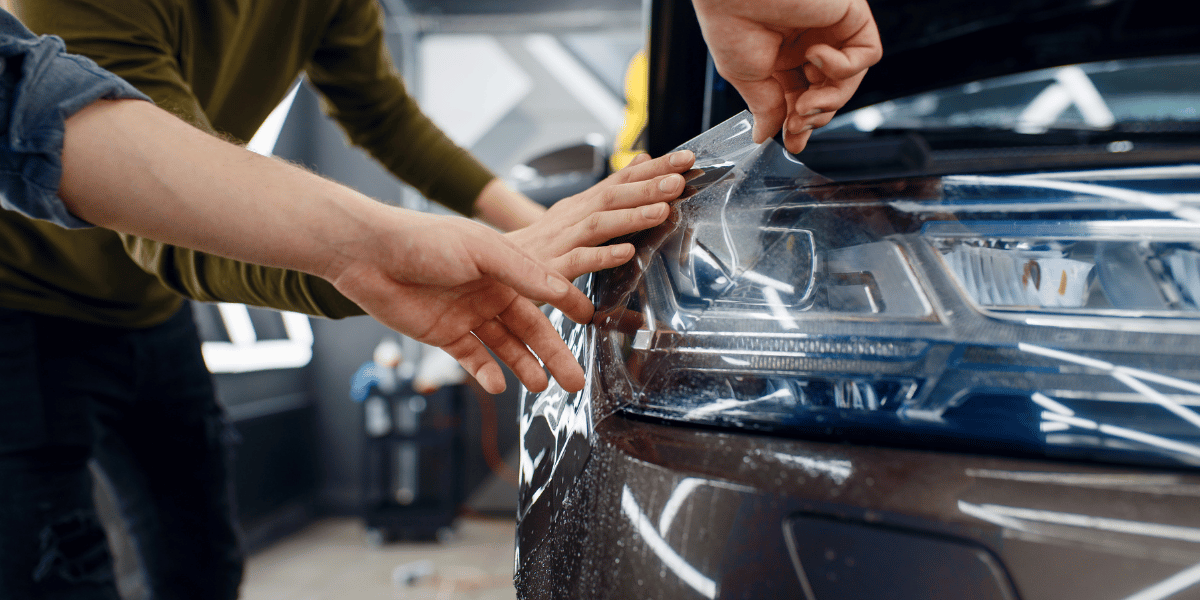
Hey there, fellow car enthusiast! Ever taken a peek at your fender after a scrape with a curb or a rock flying off the road and wondered, “Should I fix this or just swap it out?” I’ve been in that spot too—once scratched my old Civic trying to squeeze into a tight parking space, and it left me scratching my head (and my wallet!). Whether you’re dealing with a little dent, a big crack, or just curious about keeping your ride in top shape, fenders are a big deal. They’re those curved bits over your wheels that take the hits so your car doesn’t have to. This guide is here to walk you through everything—when to repair or replace, how much it costs, what those front and rear fenders do, and even the cool new trends for 2025. We’ll chat like friends, sharing tips and stories, so grab a coffee and let’s dive in together!
Should You Repair or Replace a Car Fender?
Car fenders are one of those parts that most people don’t think about until something happens — a dent in a parking lot, a scrape against a wall, or worse, a small accident. While a damaged fender may not stop your car from running, it does affect how your vehicle looks, how safe it is, and even how much it’s worth if you ever decide to sell it.
So, when your fender gets damaged, the big question is: Should you repair it, or should you replace it altogether? The answer depends on the type of damage, the cost involved, and whether you’re aiming for a quick fix or a long-term solution. Let’s break it down step by step.
Common Types of Fender Damage
Fenders can get damaged in many ways — from everyday wear and tear to more serious impacts. Here are the most common types of fender damage you’ll likely run into:
-
Scratches and Paint Chips
-
Caused by small stones on the road, shopping carts, or accidental brushes against walls.
-
Usually minor but can lead to rust if left untreated.
-
-
Small Dents
-
Often come from parking lot dings or hail damage.
-
May not look too bad at first but can ruin the car’s clean lines.
-
-
Large Dents or Creases
-
Usually from accidents or major impacts.
-
Harder to repair because the metal or plastic may be stretched.
-
-
Cracks (especially in plastic fenders)
-
Common in modern vehicles that use plastic or fiberglass.
-
These often spread over time and compromise the fender’s strength.
-
-
Rust and Corrosion (on steel fenders)
-
Caused by moisture, road salt, or neglect.
-
If not fixed, rust spreads and weakens the entire panel.
-
Repairing a Car Fender: When It Makes Sense
If your fender damage is minor, repair is usually the smarter and cheaper option. Let’s look at some repair approaches:
DIY Fender Repairs
If you’re handy and want to save money, small fender issues can often be fixed at home with the right tools.
-
For scratches and paint chips
-
Sand the area lightly.
-
Apply primer and matching touch-up paint.
-
Buff it smooth for a clean finish.
-
-
For small dents
-
Use a plunger or dent puller.
-
Heat-and-cool methods (using a hairdryer and compressed air) can pop out some dents.
-
-
For light rust
-
Sand down the rusted area.
-
Apply rust converter and primer.
-
Repaint to seal and protect.
-
These DIY methods can cost as little as $20–$100 if you already have some basic tools and paint.
Professional Fender Repairs
Sometimes, a professional is the better choice — especially if you want a factory-like finish or if the damage is beyond DIY.
-
Paintless Dent Repair (PDR)
-
Best for small to medium dents with no paint damage.
-
Technicians massage the dent out from behind the panel.
-
Costs between $75 and $300 per dent, depending on size.
-
-
Traditional Dent & Paint Repair
-
Used when dents are deeper and paint has cracked or chipped.
-
Involves filling, sanding, and repainting.
-
Typically $200–$600 per panel.
-
-
Rust Repair
-
Small rust spots: $50–$150.
-
Larger areas may need cutting and welding, costing $500–$1,000.
-
Replacing a Car Fender: When It’s Necessary
There are times when repairing just won’t cut it. Replacement is usually the better option if:
-
The fender has large cracks or severe rust.
-
The metal is badly bent or creased.
-
Safety is compromised (loose panels, sharp edges).
-
Repair costs are close to or more than replacement costs.
Average Cost of Fender Replacement
The cost of a new fender depends on the vehicle type, material, and whether you choose OEM (original equipment manufacturer) or aftermarket.
-
Compact cars: $500–$1,000
-
Midsize cars: $1,000–$1,500
-
SUVs and trucks: $1,500–$2,000
This usually includes parts, paint matching, and labor.
👉 Pro tip: If your car is newer or you plan to sell it, replacement may be the smarter long-term choice since a fresh panel helps preserve resale value.
Repair vs. Replacement: Side-by-Side Comparison
Here’s a quick table to help you decide:
| Factor | Repair | Replacement |
|---|---|---|
| Best for | Small dents, scratches, minor rust | Major dents, cracks, or severe rust |
| Cost | $50–$600 (DIY or small shop repair) | $500–$2,000 (parts + labor) |
| Time Required | 1–3 hours (DIY or professional) | 1–2 days (body shop) |
| Durability | Good for minor issues but may not last if damage is extensive | Long-term fix, restores full strength |
| Resale Value Impact | Minimal if done well | Higher resale value with factory finish |
Insurance and Fender Repairs
One question many car owners ask: Will insurance cover my fender damage?
-
If the damage is from an accident, your collision coverage usually applies (minus your deductible).
-
If it’s from road debris, hail, or vandalism, comprehensive coverage may cover it.
-
For small dents or scratches, it may not be worth filing a claim since repair costs could be less than your deductible.
Understanding Front and Rear Car Fenders
Most drivers know their car has fenders, but not everyone realizes that front and rear fenders play slightly different roles. Together, they not only protect your vehicle but also shape how it looks and how well it drives.
Let’s take a closer look at what each type of fender does, the materials they’re made of, common problems you might face, and how to care for them properly.
What Exactly Are Car Fenders?
In simple terms, fenders are the panels that frame your wheels. They extend over and around the tire, forming a barrier that shields your car from road debris, water, and mud.
-
Front fenders sit between your front bumper and the doors.
-
Rear fenders sit between the back bumper and the rear doors (or trunk area for coupes).
While they look like part of your car’s body, they serve a much bigger purpose than just style.
Functions of Car Fenders
Here’s what fenders really do for your car:
-
Protect Against Road Debris
-
Rocks, sand, and other small objects constantly get kicked up by spinning tires.
-
Fenders act like shields, preventing that debris from damaging your car’s paint or hitting other vehicles.
-
-
Keep Your Car Cleaner
-
Without fenders, mud, water, and dirt would spray all over your car’s sides.
-
They reduce splash and help you spend less time at the car wash.
-
-
Improve Aerodynamics
-
Modern fenders are designed to reduce drag.
-
By streamlining airflow around the wheels, they improve fuel efficiency and handling.
-
-
Add to Vehicle Safety
-
Fenders stop debris from flying toward pedestrians, cyclists, or nearby cars.
-
In many countries, fenders are legally required for this reason.
-
-
Enhance Aesthetics
-
Fenders define a vehicle’s stance.
-
From sleek sports cars to rugged off-road trucks, fender design helps set the overall style.
-
Types of Fenders: Front vs. Rear
While both front and rear fenders serve the same protective role, they have distinct placements and sometimes different designs.
| Fender Type | Location | Main Role | Typical Issues |
|---|---|---|---|
| Front Fenders | Between front bumper and doors | Protects engine bay and front wheels from debris | Parking lot dings, rust near wheel wells, accident damage |
| Rear Fenders | Between rear bumper and rear doors/trunk | Shields rear panels and trunk area from spray and debris | Rust (especially near arches), cracks in plastic fenders, damage from rear collisions |
Common Fender Materials
Fenders aren’t all built the same. Automakers use different materials depending on cost, weight, and performance needs.
-
Steel
-
Strong, durable, and traditional.
-
Common in older vehicles and trucks.
-
Downside: heavy and prone to rust.
-
-
Aluminum
-
Lighter than steel, resistant to rust.
-
Popular in modern cars for better fuel efficiency.
-
More expensive and harder to repair if dented.
-
-
Plastic / ABS Plastic
-
Lightweight and affordable.
-
Resistant to corrosion.
-
Can crack on heavy impact.
-
-
Fiberglass
-
Very light and easy to mold into unique shapes.
-
Used in aftermarket performance and custom cars.
-
Not as durable; can shatter under stress.
-
-
Carbon Fiber
-
Strongest yet lightest option.
-
Found on high-performance sports cars.
-
Extremely expensive and not easy to repair.
-
Typical Fender Problems
Like any car part, fenders face wear and tear over time. Some of the most common issues include:
-
Rust and corrosion (especially with steel fenders).
-
Scratches and paint chips from road debris.
-
Small dents from parking accidents or hail.
-
Cracks in plastic fenders from impact.
-
Loose fender liners (inner shields that protect the wheel well).
Caring for Your Fenders
A little care goes a long way in keeping your fenders strong and shiny. Here are some simple but effective tips:
-
Wash regularly – Road salt, mud, and grime can cause rust. A quick rinse after driving in bad weather helps prevent buildup.
-
Apply wax – A protective wax layer keeps water and salt from clinging to the paint.
-
Check for chips and scratches – Repair small paint damage before rust sets in.
-
Clean wheel wells – Mud and dirt often get trapped here. Rinsing out wheel wells keeps inner fenders from rotting.
-
Fix damage early – Small dents or cracks are cheaper to repair before they spread.
Do Front and Rear Fenders Cost the Same to Replace?
Not always. Front fenders are often less expensive to replace than rear ones because they’re easier to access and more commonly damaged, meaning more aftermarket options are available.
Here’s a quick breakdown:
| Vehicle Type | Front Fender Replacement | Rear Fender Replacement |
|---|---|---|
| Compact car | $500–$900 | $700–$1,200 |
| Midsize sedan | $800–$1,300 | $1,000–$1,500 |
| SUV / Truck | $1,200–$1,800 | $1,500–$2,500 |
👉 Rear fenders often cost more because they may be integrated into larger body panels, requiring more labor to remove and replace.
Fender Replacement Costs and Fender Flares Explained
At some point, almost every car owner faces the question: “Should I repair my fender or replace it?” Whether it’s a dent from a parking lot mishap or a rusty rear fender, knowing the costs involved can help you make the right choice.
And while we’re on the subject of fenders, there’s another popular add-on worth discussing: fender flares. Are they just for style, or do they actually serve a purpose? Let’s break it all down.
How Much Does It Cost to Replace a Car Fender?
The cost of replacing a car fender depends on several factors:
-
The type of car you drive (compact, sedan, SUV, luxury, or truck).
-
The material of the fender (steel, aluminum, plastic, or carbon fiber).
-
Labor costs in your area.
-
Whether you choose OEM or aftermarket parts.
Here’s a breakdown of typical fender replacement costs:
| Vehicle Type | Average Cost (Front Fender) | Average Cost (Rear Fender) |
|---|---|---|
| Compact Car | $500–$900 | $700–$1,200 |
| Midsize Sedan | $800–$1,300 | $1,000–$1,500 |
| SUV / Crossover | $1,200–$1,800 | $1,500–$2,500 |
| Pickup Truck | $1,400–$2,200 | $1,800–$3,000 |
| Luxury / Sports Car | $2,000–$4,000+ | $2,500–$5,000+ |
💡 Note: These prices include both parts + labor. If you buy the fender separately and install it yourself, costs drop significantly.
OEM vs. Aftermarket Fenders
When shopping for a new fender, you’ll typically have two choices:
-
OEM (Original Equipment Manufacturer)
-
Comes directly from your car’s manufacturer.
-
Guaranteed perfect fit and finish.
-
More expensive than aftermarket.
-
-
Aftermarket
-
Made by third-party manufacturers.
-
Often cheaper, with more variety.
-
Quality varies: some are excellent, others may not fit as well.
-
👉 If you care about resale value or want a factory-perfect look, OEM is worth it. If budget is tight, aftermarket can be a good alternative, just make sure it’s from a trusted brand.
Repairing vs. Replacing a Fender
Not every dent or scratch requires a full replacement. Here’s how to decide:
-
Repair if:
-
The damage is minor (small dents, surface scratches).
-
The fender structure is intact.
-
Cost of repair is significantly lower than replacement.
-
-
Replace if:
-
The fender is severely rusted.
-
There are large dents or cracks.
-
The fender is bent in a way that affects alignment or safety.
-
In many cases, repairing is cheaper and faster, but for major damage, replacing is the better long-term choice.
DIY Fender Repair Costs
If you’re handy with tools, you can save hundreds by repairing minor fender damage yourself. Here’s what you’ll need:
-
For dents: Plunger, hair dryer, dry ice, rubber mallet.
-
For scratches: Sandpaper, primer, matching paint, clear coat.
-
For rust spots: Rust remover, filler, sanding tools, paint.
DIY repair kits range from $30 to $150, depending on what you’re fixing. However, keep in mind that DIY work may not always look “factory fresh.”
Are Fender Flares Worth It?
Now let’s switch gears and talk about fender flares — one of the most popular fender add-ons, especially among truck and SUV owners.
Fender flares are extensions that attach to your existing fenders, giving your wheel wells a wider and more rugged appearance. But do they offer real benefits, or are they just for looks?
Pros of Fender Flares
✅ Better Protection
-
Flares extend your wheel coverage, helping block mud, rocks, and road debris.
-
They prevent scratches and dings on the side panels.
✅ Bigger Tire Compatibility
-
If you upgrade to oversized tires, flares make space and keep them legal.
-
Especially important for off-roaders and lifted trucks.
✅ Style Upgrade
-
Give your car a more aggressive, rugged look.
-
Available in different styles (OE, street, bolt-on, pocket-style).
✅ Reduce Splash and Spray
-
Keep mud and water from splashing onto your car (and nearby vehicles).
Cons of Fender Flares
❌ Cost
-
Can range from $200 to $600 per set (plus installation).
-
Custom or painted flares cost even more.
❌ Installation Challenges
-
Some require drilling or cutting into your car’s body.
-
Professional installation adds $150–$400 to the cost.
❌ Legal Restrictions
-
Some regions regulate how far flares can stick out.
-
Oversized flares may not be street legal.
❌ Possible Aerodynamic Impact
-
Large flares may slightly affect fuel efficiency.
Fender Flares Cost Breakdown
| Type of Fender Flare | Price Range | Best For |
|---|---|---|
| OE Style | $150–$300 | Subtle look, factory-style finish |
| Street Style | $200–$400 | Sleek, urban vehicles |
| Bolt-On / Pocket Style | $300–$600 | Rugged off-road trucks |
| Custom Painted / Color-Matched | $400–$800+ | Show trucks, custom builds |
Should You Get Fender Flares?
Fender flares make the most sense if:
-
You drive off-road frequently and want extra protection.
-
You’ve installed wider tires that extend beyond your stock fenders.
-
You want a more aggressive, customized look for your vehicle.
If you drive a compact commuter car, fender flares may not be necessary. But for trucks, SUVs, and off-road builds, they’re often a smart (and stylish) investment.
Fender Maintenance, Care Tips & the Future of Fender Innovations
Your car’s fenders work hard every day, protecting your vehicle from flying rocks, splashing water, and everyday road grime. But like any part of your car, they need some TLC to stay in good shape. The good news? With the right care routine, you can extend the life of your fenders, prevent rust, and keep your car looking sharp for years.
On top of that, the auto industry is constantly coming up with new fender materials, designs, and technologies — some of which sound like they’re straight out of science fiction. From self-healing fenders to aerodynamic upgrades, the future looks exciting.
Let’s explore how to maintain your fenders today and what’s next for tomorrow’s fender tech.
Everyday Fender Care Tips
Maintaining your fenders doesn’t require expensive products or hours of work. Small habits go a long way in preventing rust, dents, and scratches.
1. Wash Your Car Regularly
-
Road salt, dirt, and mud collect around the wheel wells and lower fenders.
-
If left untreated, they can eat away at the paint and cause rust.
-
A quick rinse once a week in winter (and twice a month otherwise) makes a huge difference.
2. Wax for Extra Protection
-
A layer of wax adds shine and acts as a shield against road grime and water.
-
Apply every 2–3 months for the best results.
3. Check Fender Liners
-
Fender liners (a.k.a. wheel well liners) sit inside the wheel arch.
-
They block debris from hitting your fenders from the inside.
-
If cracked or missing, replace them quickly — they’re cheap and save you costly repairs.
4. Park Carefully
-
Many fender dents happen in parking lots from curbs, poles, or other cars.
-
Park a little further away if needed — fewer cars around you means fewer chances of door dings.
5. Watch for Early Signs of Rust
-
Small bubbles under the paint usually mean rust is starting.
-
Sand, treat, and repaint immediately before it spreads.
6. Repair Damage Quickly
-
Even a tiny scratch can become a rust spot if ignored.
-
A $10 touch-up pen now saves you a $500 body shop bill later.
Special Fender Care for Different Materials
Not all fenders are created equal. Depending on your car, your fender could be steel, aluminum, fiberglass, or even carbon fiber. Each one has its own care needs:
-
Steel Fenders:
-
Strong but prone to rust.
-
Keep them clean and waxed regularly.
-
-
Aluminum Fenders:
-
Don’t rust, but they can corrode and dent easily.
-
Avoid strong chemicals when cleaning.
-
-
Fiberglass Fenders:
-
Lightweight and rust-free, but prone to cracking.
-
Avoid high-pressure washes that may stress the material.
-
-
Carbon Fiber Fenders:
-
Ultra-light and durable, but expensive.
-
Clean with microfiber cloths and avoid abrasive polishes.
-
Safety Tips While Driving
A lot of fender damage comes from road conditions or driving habits. These quick reminders can help you avoid trouble:
-
Leave enough space between your car and the one in front. Rocks and debris often fly off tires.
-
Be extra cautious in snow, rain, or icy conditions — water and salt splash directly onto fenders.
-
Avoid off-road driving in a car not designed for it. Even one trip can leave your fenders dinged and scratched.
What’s New and What’s Next
Car fenders are no longer just hunks of metal or plastic — they’re becoming smarter, lighter, and more high-tech. Here are some of the coolest innovations happening right now:
1. Lightweight Composite Materials
-
Automakers are moving away from heavy steel.
-
Fiberglass, aluminum, and carbon fiber are being used for better fuel efficiency and performance.
-
Some companies are experimenting with recycled plastics for eco-friendly fenders.
2. Aerodynamic Fender Designs
-
Modern fenders are being shaped to reduce drag and improve fuel economy.
-
On sports cars, fender vents channel airflow to cool brakes and boost performance.
3. Integrated Sensors
-
High-end cars now have parking sensors and cameras built into fenders.
-
These help detect obstacles, prevent dents, and even assist with self-parking.
4. Self-Healing Fenders
-
Some manufacturers are testing materials that can “heal” small scratches and dents on their own.
-
Think of it like skin healing after a cut — the material slowly returns to its original shape.
5. 3D-Printed Fenders
-
3D printing allows manufacturers to create fenders custom-fit to any car.
-
Great for rare or vintage cars where replacement parts are hard to find.
6. Active Fender Systems (Future Tech)
-
In development: fenders that adjust shape while driving.
-
Could widen for off-road protection, then retract for highway aerodynamics.
-
Still experimental, but it shows where the industry is headed.
Real-World Examples of Fender Innovations
-
Carbon Fiber on Supercars: Many Ferraris, Lamborghinis, and McLarens use carbon fiber fenders for strength and weight reduction.
-
Tesla’s Minimalist Fender Designs: Tesla focuses on smooth, aerodynamic shapes to maximize EV range.
-
Ford’s Smart Sensors: Some Ford trucks integrate cameras in their fenders to improve towing visibility.
-
Aftermarket 3D Printing: Companies are now offering custom 3D-printed fender flares for Jeep Wranglers and Ford Broncos.
Frequently Asked Questions
Q: How Do Car Fenders Offer Protection?
A: Car fenders offer protection by shielding the sides of the vehicle from splashing water, dirt, rocks, and other road debris. They prevent damage to the car’s body paint, keep the vehicle clean, and protect other vehicles and pedestrians from splashes and sprays.
Q: What is inner fender liners or wheel well liners?
A: Inner fender liners, also known as wheel well liners, are protective panels inside the wheel wells. They safeguard against debris and moisture, enhancing the fender’s protective function.
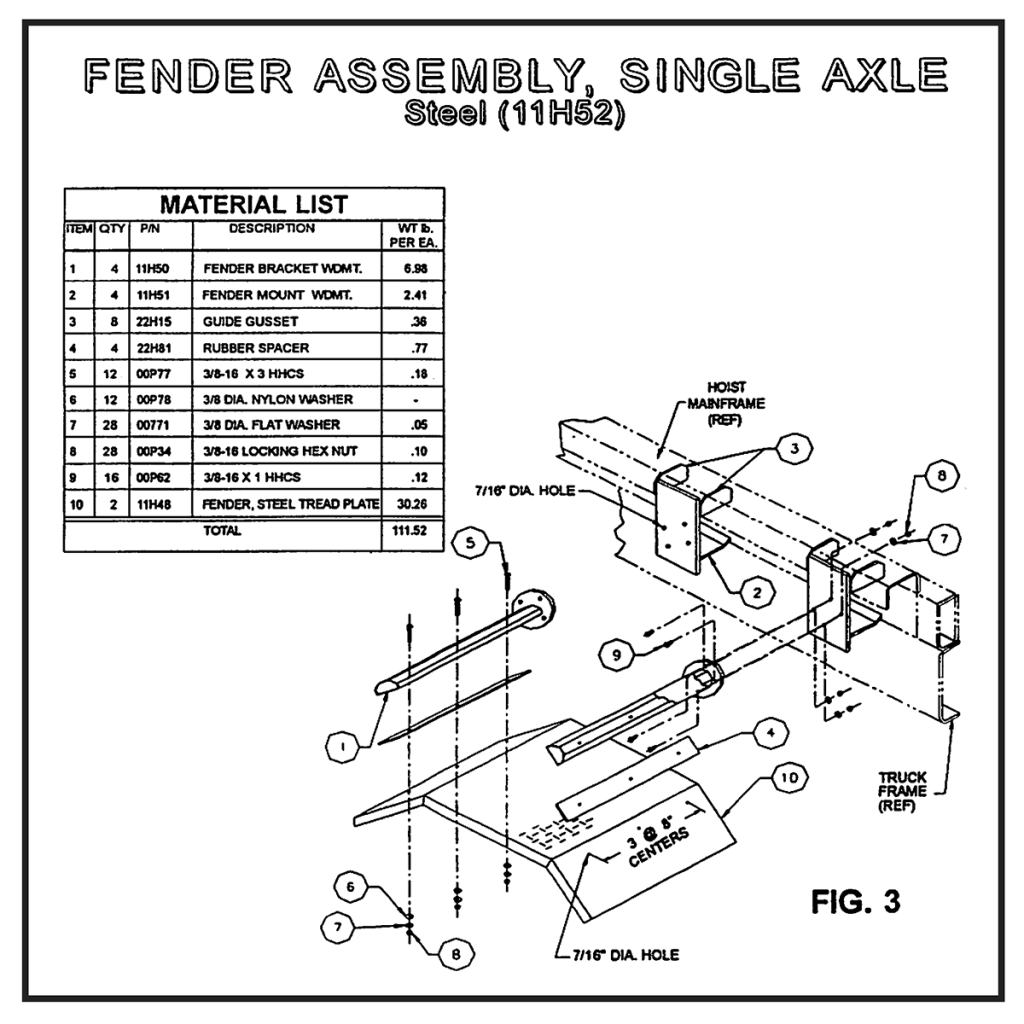
Q: What Parts Does A Fender Assembly Have?
A: A typical fender assembly consists of various components, but the main ones include the fender itself, fender supports, and brackets.
Q: What Are Fender Flares?
A: Fender flares are extensions added to fenders, providing extra coverage and protection. They can also enhance a vehicle’s appearance.
Q: How Many Fenders Are On A Car?
A: Most cars have four fenders, one for each wheel well.
Q: Why Do F1 Cars Have No Fenders?
A: F1 cars have no fenders for aerodynamic reasons. The absence of fenders reduces drag and enhances speed.
Q: What are Fender Supports and Brackets?
A: Fender supports and brackets are structural components that help hold the fender in place and provide stability.
Q: Is fender liner necessary?
A: Yes, fender liners, or inner wheel well liners, are essential for protecting against road debris and moisture.
Q: Are fender covers worth it?
A: Fender covers can be worth it for added protection during maintenance or repair work to prevent accidental damage to the fender’s finish.
Q: How to fix rust on a car fender?
A: Fixing rust on a car fender involves sanding down the affected area, applying rust treatment, filling with body filler, sanding, and repainting.
Q: Can I drive with a broken fender?
A: While possible, driving with a broken fender is not recommended, as it can pose safety risks and may be illegal in some areas.
Q: How to stop rust on a car fender?
A: To stop rust on a car fender, it’s essential to remove the rust, apply a rust converter or inhibitor, and repaint the affected area.
Q: Is fender rolling worth it?
A: Fender rolling can be worth it for certain modifications, such as accommodating wider tires. However, it should be done carefully by a professional.
Q: Where is the fender on a car?
A: Fenders are located on both sides of the vehicle, extending from the front bumper to the door on the sides and from the rear bumper to the door on the back.
Q: What is a fender bender on a car?
A: A fender bender is a minor car accident typically involving low-speed collisions that result in minor damage, often limited to the fenders.
Q: What are mudguards on a car?
A: Mudguards, also known as mud flaps, are protective accessories attached behind the wheels to prevent mud, water, and debris from being thrown onto the vehicle’s body.
Q: What are the differences between fender and Gibson?
A: Fender and Gibson are two prominent guitar manufacturers. The key differences include body shape, sound characteristics, and design elements.
Q: Are fenders mandatory on cars?
A: Yes, in many regions, including the United States, fenders are mandatory on passenger automobiles to prevent water, dirt, or other materials from being thrown up by the wheels.
Q: Why are fenders important on a car?
A: Fenders are important for protecting the car from damage due to road debris, maintaining cleanliness, and ensuring the safety of other vehicles and pedestrians.
Q: Can I repair minor fender damage myself?
A: Yes, minor fender damage like dents and scratches can often be repaired by DIY methods, but it’s advisable to consult a professional for more severe damage or if you’re unsure.
Q: Do fenders contribute to a vehicle’s aesthetics?
A: Yes, fenders play a significant role in a car’s appearance, with various styles and sizes available to enhance the overall design.
Q: How can I maintain my car’s fenders?
A: Regular cleaning and inspection can help maintain your car’s fenders. Avoid harsh chemicals that can damage the finish, and promptly address any dents or scratches to prevent further issues.
Final Thoughts: Fender Care, Repair, and the Road Ahead
When it comes to fenders, the key is knowing when to repair, replace, or upgrade:
-
Repair if the damage is minor — like small dents, scratches, or rust spots you can fix with simple tools.
-
Replace if the fender is badly damaged, rusted through, or affecting safety and resale value.
-
Upgrade with flares if you want more protection, larger tires, or a tougher look — but always check local laws and consider the costs.
Front and rear fenders may seem like simple panels, but they’re much more than that. They protect your car from debris, improve aerodynamics, and play a big role in how your vehicle looks and holds value.
Looking ahead, fenders are also evolving — with lighter materials, aerodynamic designs, self-healing technology, and even 3D-printed options shaping the future.
The bottom line? Take care of your fenders today, and they’ll take care of your car tomorrow. Regular cleaning, quick repairs, and attention to detail can save you money, extend your car’s life, and keep it looking sharp on the road.