If you want cleaner, faster fluid service without crawling under the car, a pneumatic fluid extractor can be a smart upgrade. These tools use compressed air to pull oil and other fluids through a tube, making them especially useful for routine maintenance.
For this roundup, we focused on options that balance capacity, hose length, durability, and ease of use for home garages and shop-style workflows.
Best 10 Pneumatic Fluid Extractor for Automotive Use Picks for 2026
Dual-Mode DIY Choice
EWK 6.5L Pneumatic/Manual Oil Extractor
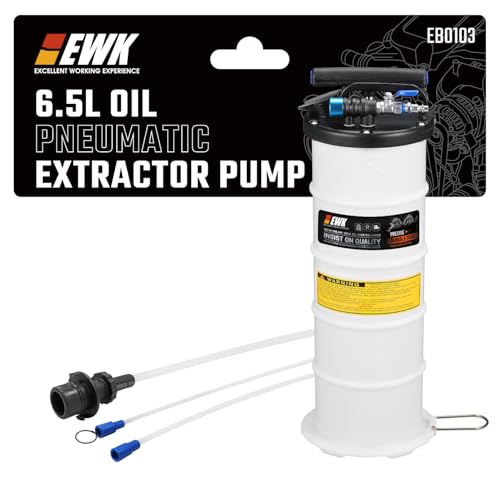
- Manual or pneumatic operation
- Up to 1.8 L/min suction
- Handles multiple automotive fluids
Best For: DIYers who want a clean oil change with or without an air compressor
Shop-Ready Vacuum Workhorse
Mityvac MV7300 Pneumatic Fluid Evacuator
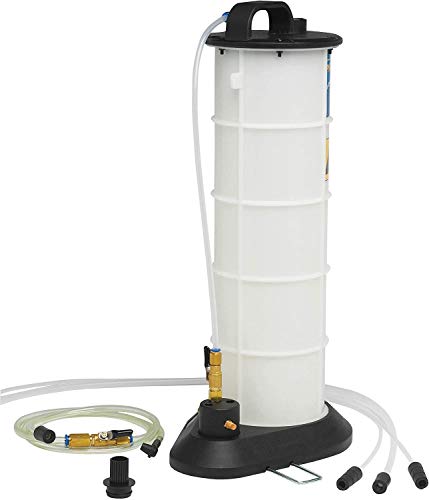
- Fast Venturi vacuum extraction
- 2.3-gallon chemical-resistant tank
- Overflow prevention and shut-off valve
Best For: Shop or mobile-service users who want a durable air-powered evacuator
Flexible Service Pick
FOUR UNCLES 6.5L Pneumatic/Manual Fluid Extractor

- Air or manual pumping
- Includes 3 tubes plus brake hose
- Portable for garage or outdoor use
Best For: Mechanics who need flexible fluid extraction with added brake-service support
Extended-Reach Utility
OEMTOOLS Pneumatic/Manual Fluid Extractor

- Dual pneumatic/manual operation
- 41-inch adapter and 5-foot hose
- Automatic shut-off prevents overflow
Best For: Users who need longer reach and safer fluid evacuation
Dual-Mode Capacity Pick
VEVOR 9.5L Pneumatic/Manual Fluid Extractor
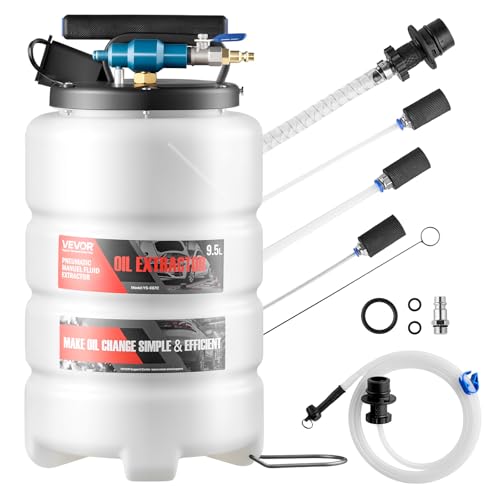
- 9.5L tank for longer fluid changes
- Manual or pneumatic operation
- Includes extension tubes and brake hose
Best For: DIYers who want a larger-capacity extractor with air-assisted flexibility
Compact All-in-One Choice
6.5L Pneumatic/Manual Oil Extractor Kit

- Manual and pneumatic modes
- Multiple extension tubes included
- Brake bleeding hose and spare connector
Best For: DIY users who want a compact, ready-to-use fluid extractor kit
High-Capacity Service Pick
EWK 15L Pneumatic/Manual Oil Extractor
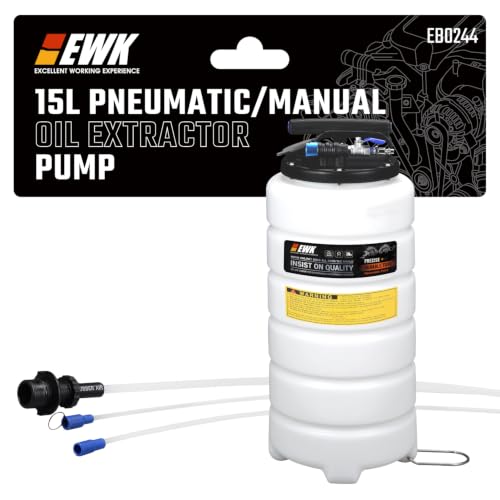
- Large 15L tank for longer jobs
- Manual or pneumatic operation
- Fast extraction with extra-long tubes
Best For: People servicing multiple vehicles or larger fluid volumes
Compact Dual-Use Extractor
6.5L Pneumatic/Manual Vacumm Fluid Extractor

- Pneumatic or manual operation
- Long hoses for deeper pickup
- For oil, brake, and transmission fluids
Best For: DIY users and small garages needing a compact, flexible extractor
High-Capacity Shop Choice
VEVOR 15L Pneumatic/Manual Fluid Extractor Pump

- 15L tank for larger fluid changes
- Pneumatic and manual operation
- Includes dipstick, hose, and extension tubes
Best For: Frequent maintenance and larger-capacity fluid extraction jobs
Balanced Everyday Option
VEVOR 6.5L Pneumatic/Manual Oil Extractor Pump

- Pneumatic or manual operation
- Compact 6.5L tank for easy storage
- Includes hoses, dipstick, and sealing rings
Best For: Drivers and home mechanics needing a versatile mid-size extractor
Dual-Mode DIY Choice – EWK 6.5L Pneumatic/Manual Oil Extractor
If you want a pneumatic fluid extractor for automotive use that can also work without a compressor, the EWK 6.5L gives you both options in one compact unit. It pulls oil through the dipstick tube, helps keep the job clean, and adds pneumatic speed when you have air available.
Best For: DIY drivers and home-garage users who want a fast, spill-free oil change with manual backup.
Pros:
- Pneumatic or manual operation for flexible use indoors or outdoors
- Up to 1.8 L/min suction for faster oil removal under suitable conditions
- Two extended suction tubes help reach deep reservoirs
- Works with engine oil, transmission fluid, coolant, and power steering fluid
Cons:
- Not compatible with Mercedes W212 E350 or C218 CLS 350
- Should not be used with gasoline or highly volatile fluids
Overall, this is a practical pick if you want a versatile extractor that balances speed, convenience, and DIY-friendly simplicity. The sealed tank and durable tubing add confidence for repeated maintenance jobs.
Shop-Ready Vacuum Workhorse – Mityvac MV7300 Pneumatic Fluid Evacuator
The Mityvac MV7300 is a pneumatic fluid extractor for automotive use built around a Venturi vacuum pump for fast fluid removal. Its larger 2.3-gallon capacity, chemical-resistant body, and safety-focused design make it a strong fit for garage or mobile service work.
Best For: Technicians and serious DIYers who want a stable, compressed-air-powered evacuator for frequent fluid service.
Pros:
- Pneumatic Venturi pump supports fast extraction
- Chemical-resistant polyethylene construction for durability
- Air shut-off valve and overflow prevention help reduce spills
- Large base adds stability during use
Cons:
- Requires compressed air to operate
- Larger footprint than smaller extractor pumps
For users who value speed and a more shop-oriented setup, this Mityvac offers dependable fluid evacuation with practical safety features. The bigger tank and stable base make it especially useful when repeat service jobs are part of the routine.
Flexible Service Pick – FOUR UNCLES 6.5L Pneumatic/Manual Fluid Extractor
This pneumatic fluid extractor for automotive use is designed for users who need both speed and portability. The FOUR UNCLES 6.5L can run on compressed air in the garage or switch to manual pumping when you are working away from an air compressor.
Best For: Drivers and home mechanics who want a single extractor that can handle oil and brake-fluid tasks in different workspaces.
Pros:
- Dual operating modes let you use air or manual pumping
- Pneumatic extraction can reach about 1.8 L/min under suitable conditions
- Includes 3 suction tubes and a brake bleeding hose
- Built-in storage keeps accessories together between jobs
Cons:
- Air compressor needed for the fastest operation
- Brake-fluid use depends on compatibility with the task and vehicle
The added brake bleeding hose makes this model more versatile than a basic oil-only extractor, while the dual-mode setup keeps it useful in more places. If you want one tool for routine fluid service and occasional portable use, it is a solid option.
Extended-Reach Utility – OEMTOOLS Pneumatic/Manual Fluid Extractor
If you need a pneumatic fluid extractor for automotive use that can reach deeper reservoirs, the OEMTOOLS model adds longer hose options to a dual-mode pump. It extracts through dipstick tubes or fluid openings, helping you avoid drain plugs and reduce cleanup.
Best For: Garage users and maintenance crews who want extended hose reach and automatic shut-off protection.
Pros:
- Pneumatic and manual extraction for flexible jobsite use
- 41-inch dipstick hose adapters and a 5-foot suction hose
- Automatic shut-off valve helps prevent overflow
- Compatible with standard air compressors and quick-connect fittings
Cons:
- Requires compressed air for pneumatic operation
- Larger hose setup may be more than needed for simple jobs
This is a practical choice when reach matters as much as extraction speed. The longer hoses and overflow protection make it well-suited to repeated maintenance work on cars, trucks, and equipment.
Dual-Mode Capacity Pick – VEVOR 9.5L Pneumatic/Manual Fluid Extractor
If you want a pneumatic fluid extractor for automotive use that can also work without air power, this VEVOR model is built for flexible maintenance jobs. Its 9.5L tank, sealed fittings, and multi-hose setup make it a practical pick for clean fluid changes on cars, trucks, motorcycles, boats, and lawn equipment.
Best For: DIYers and home garage users who want one extractor for manual or compressor-powered fluid service.
Pros:
- Manual and pneumatic operation lets you use it anywhere or speed up work with an air compressor.
- Air-tight tank design and sealed fittings help reduce leaks and drips.
- Includes a main hose, three extension tubes, and a dedicated brake-fluid hose for targeted service.
- 9.5L semi-transparent PE tank supports longer sessions and easy level checking.
Cons:
- Requires an air compressor to use pneumatic mode.
- Bulkier than smaller extractors due to the larger tank.
Overall, this is a versatile fluid extractor for users who value capacity, leak resistance, and the option to switch between hand pumping and compressed air.
Compact All-in-One Choice – 6.5L Pneumatic/Manual Oil Extractor Kit
This pneumatic fluid extractor for automotive use is aimed at simple, mess-free oil and fluid changes in the garage or on the go. With both manual and compressor-connected modes, plus multiple suction tubes and a brake bleeding hose, it gives you a complete starter kit for routine maintenance.
Best For: Casual DIY mechanics who want a ready-to-use extractor for small to mid-size fluid changes.
Pros:
- Dual-mode design works with an air compressor or by hand.
- Four tube sizes help reach deeper into dipstick tubes and reduce leftover fluid.
- Includes a brake bleeder hose and spare connector for added convenience.
- Sealed, leak-resistant design helps keep the workspace clean.
Cons:
- 6.5L capacity is smaller than larger workshop-style extractors.
- Not suitable for gasoline, volatile, corrosive, alkaline, or high-temperature fluids.
For buyers who want an easy-to-use, all-in-one extractor without extra setup, this model covers the basics well and stays practical for home, boat, and small engine maintenance.
High-Capacity Service Pick – EWK 15L Pneumatic/Manual Oil Extractor
If you need a pneumatic fluid extractor for automotive use that can handle bigger jobs, this 15L EWK model is built for fast, mess-free evacuation through the dipstick tube. It switches between manual and pneumatic operation, making it useful in a home garage or a busier workspace where speed and capacity both matter.
Best For: Users who want a large-capacity extractor for cars, trucks, and multi-vehicle maintenance.
Pros:
- Large 15L tank supports longer service sessions and fewer emptying stops.
- Manual and pneumatic modes offer flexible use in different environments.
- Advertised 1.8L/min pneumatic extraction helps speed up oil removal.
- Extra-long tubes are designed to reach deeper for more complete suction.
Cons:
- Requires air pressure in the stated 40–170 PSI operating range for pneumatic use.
- Not compatible with some vehicles, including Mercedes W212 E350 and C218 CLS 350.
- Not for gasoline or highly corrosive fluids.
This is a strong pick if capacity and speed are your top priorities, especially when you service multiple vehicles or want one extractor for a wider range of fluid-change tasks.
Compact Dual-Use Extractor – 6.5L Pneumatic/Manual Vacumm Fluid Extractor
If you want a pneumatic fluid extractor for automotive use that can also work without shop air, this 6.5L unit keeps the process simple. Its dual pneumatic/manual design and long suction hoses make it a practical pick for routine oil changes and other fluid evacuation jobs on cars and similar vehicles.
Best For: DIY users and small garages that want a compact extractor with both air-powered and manual operation.
Pros:
- Dual-use design works with pneumatic power or manual pumping.
- Includes extra-long pipes in different diameters for deeper fluid pickup.
- Suitable for oil, transmission fluid, brake fluid, and other automotive fluids.
- Sturdy construction is built for safe, reliable use.
Cons:
- 6.5L capacity may be limiting for larger, repeated service jobs.
- Manual operation may take more effort when air supply is unavailable.
This model focuses on flexibility and thorough extraction rather than maximum capacity. If you need a smaller, adaptable tool for common automotive maintenance, it offers a straightforward solution.
High-Capacity Shop Choice – VEVOR 15L Pneumatic/Manual Fluid Extractor Pump
For a pneumatic fluid extractor for automotive use with more capacity, this 15L VEVOR pump is built for bigger fluid-change tasks. It offers pneumatic and manual operation, multiple tubes, and a deep-reaching setup that can handle engine oil, gear oil, power steering fluid, and brake fluid.
Best For: Users who want a larger-capacity extractor for frequent maintenance or bigger fluid changes.
Pros:
- Large 15L tank supports bigger jobs and fewer emptying stops.
- Dual pneumatic/manual modes add flexibility in different work settings.
- Includes a full kit with dipstick, suction hose, extension tubes, and sealing rings.
- Four tube sizes help reach deeper and improve fluid extraction.
Cons:
- Larger tank may be more tool than needed for occasional small jobs.
- Bulkier footprint than the 6.5L version.
This is the more capacity-focused option in the lineup, making it a better fit when you want to handle more fluid in one go. The included accessories and dual-mode operation make it a practical all-around maintenance tool.
Balanced Everyday Option – VEVOR 6.5L Pneumatic/Manual Oil Extractor Pump
This pneumatic fluid extractor for automotive use is a compact 6.5L model that balances size, convenience, and versatility. With pneumatic and manual operation, plus multiple tubes and a suction hose, it is designed for routine fluid evacuation from cars, motorcycles, and other small equipment.
Best For: Drivers and home mechanics who want a versatile mid-size extractor for regular maintenance.
Pros:
- Dual-mode operation lets you use air power or switch to manual pumping.
- 6.5L tank is compact and easier to store than larger units.
- Includes a complete accessory set with dipstick, extension tubes, suction hose, and sealing rings.
- Works with engine oil, gear oil, power steering fluid, and brake fluid.
Cons:
- Smaller tank means more frequent emptying during bigger jobs.
- Best suited to routine maintenance rather than heavy-duty service use.
For general-purpose automotive fluid changes, this version is a practical middle ground. It keeps the same flexible operating style as the larger model while staying more compact and manageable.
How We Picked the Best Pneumatic Fluid Extractor for Automotive Use
We prioritized capacity, extraction speed, hose setup, manual fallback, and build quality. For a Pneumatic Fluid Extractor for Automotive Use, the best choices are usually those that can handle common service tasks like oil changes, brake fluid evacuation, and general fluid transfer without frequent emptying or setup headaches.
We also looked for practical features such as air shut-off valves, brake bleeding hoses, multiple suction tubes, and chemical-resistant tanks. Those details matter because they affect how versatile and reliable the extractor is in real-world use.
Quick Comparison
Smaller units are often easier to store and better for light-duty DIY maintenance, while larger-capacity models reduce downtime on trucks, SUVs, and multiple vehicles. Pneumatic/manual hybrids add flexibility if you do not always have compressed air available. Longer hoses and extension tubes improve reach, especially on deep engine bays or tight service access points.
Key Buying Factors for Pneumatic Fluid Extractor for Automotive Use
Capacity
Choose a tank size that matches your workload. Around 6L to 6.5L works well for most passenger-car maintenance, while 9.5L to 15L is better for heavier use, larger fluid volumes, or professional-style efficiency.
Air Versus Manual Operation
Pneumatic models are faster when you have an air compressor. Manual backup is valuable if you want flexibility, portability, or the ability to work without shop air.
Hose Length and Accessories
Look for long suction hoses, extension tubes, and a brake bleeding hose if you plan to service multiple systems. Better reach can make the tool easier to use and reduce mess.
Material and Durability
Chemical-resistant plastic and sturdy seals help the extractor stand up to engine oil, brake fluid, transmission fluid, and other common automotive liquids. A stable tank and secure fittings also improve safety.
Ease of Emptying and Cleaning
A good extractor should be simple to drain, clean, and store. If maintenance is easy, you are more likely to use the tool regularly.
Who Should Buy Which Pneumatic Fluid Extractor for Automotive Use?
If you are a DIY driver doing occasional oil changes, a 6L to 6.5L hybrid model is usually the best fit. If you service multiple vehicles, work on trucks, or want fewer emptying breaks, a 9.5L or 15L unit makes more sense. If you already have shop air and want the quickest workflow, a pneumatic-first model is the strongest choice; if portability matters more, pick a manual-capable design with pneumatic support as a bonus.