When it comes to maintaining vehicle safety, having the right forward collision calibration tools is essential. You want tools that not only provide precision but also ease of use. The market offers a variety that can cater to your needs, whether you work with different vehicle brands or require advanced features. Let’s explore the top eight tools that can make a significant difference in your calibration process and enhance the performance of ADAS systems.
ADAS Calibration Dynamic Positioning Tool for Cars

If you’re looking for an efficient way to calibrate advanced driver-assistance systems (ADAS) in vehicles equipped with planar radar units, the ANGSO-AUTO ADAS Calibration Dynamic Positioning Tool is a top choice. This tool specifically supports dynamic calibration for ACC systems, ensuring accurate adjustments to enhance your driving experience. It operates on two AAA batteries and features a magnetic design for easy attachment. Compatible with brands like Benz, Tesla, and Ford, it offers diagnostic capabilities, acting as a scanner for extensive ADAS support. With a weight of just 1.12 pounds, it’s portable and convenient for any automotive technician.
Best For: Automotive technicians and car enthusiasts looking for an efficient tool to calibrate ADAS in vehicles with planar radar units.
Pros:
- Dynamic Calibration: Specifically designed for ACC systems, ensuring precise adjustments.
- Portable Design: Lightweight and magnetic, allowing for easy handling and secure attachment.
- Diagnostic Capabilities: Functions as a scanner for comprehensive ADAS support.
Cons:
- Compatibility Limitations: Only works with planar radar units, not suitable for Eye Ball Units.
- Battery Not Included: Requires two AAA batteries which are not provided.
- Average Customer Rating: Holds a 3.1 out of 5 stars, indicating mixed customer satisfaction.
ADAS Calibration Dynamic ACC Positioning Tool for Eyeball Unit
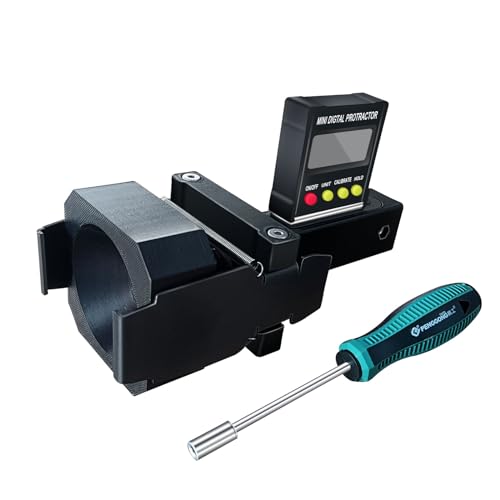
The ADAS Calibration Dynamic ACC Positioning Tool for Eyeball Unit is an essential tool for automotive professionals and enthusiasts who need precise calibration for Adaptive Cruise Control (ACC) systems. Weighing just 1 pound and featuring a magnetic design, it attaches easily to vehicles for efficient dynamic calibration. This tool is compatible with popular brands like Tesla, Ford, and Jeep, enhancing your driving experience by optimizing ACC performance. Additionally, it functions as a diagnostic scanner for extensive ADAS support. With a customer rating of 4.4 stars, it promises accuracy and reliability in your calibration efforts.
Best For: Automotive professionals and enthusiasts seeking precise calibration for Adaptive Cruise Control (ACC) systems.
Pros:
- High Accuracy: Ensures precise calibration for optimal ACC performance.
- Easy to Use: Magnetic design allows for quick and effortless attachment to vehicles.
- Broad Compatibility: Works with multiple vehicle brands including Tesla, Ford, and Jeep.
Cons:
- Battery Requirement: Requires 2 AAA batteries which are not included.
- Limited Warranty: Only comes with a 30-day warranty period.
- Static Calibration Not Supported: Designed solely for dynamic calibration, not suitable for static systems.
ADAS Calibration Professional Tool Kit with Radar Aiming Corner Reflector Target

For automotive professionals seeking to confirm the precision of advanced driver assistance systems (ADAS), the ADAS Calibration Professional Tool Kit with Radar Aiming Corner Reflector Target stands out as an essential resource. This kit features a durable, lightweight design, making it perfect for both workshop and mobile service use. The radar aiming corner reflector target, complete with a height-adjustable stand marked with a 0-30cm scale, guarantees accurate calibrations. It’s compatible with various ADAS-equipped vehicles, like Honda and Toyota, but not suitable for larger trucks or vans. With a 5.0-star rating, it’s a reliable choice for your calibration needs.
Best For: Automotive professionals who require a reliable tool for precise calibration of advanced driver assistance systems (ADAS) in compatible vehicles.
Pros:
- Durable and lightweight design, ideal for both workshop and mobile service use.
- Height-adjustable stand marked with a 0-30cm scale for accurate calibrations.
- Universal compatibility with various ADAS-equipped vehicles, enhancing versatility.
Cons:
- Not suitable for large trucks, vans, or SUVs, limiting its application.
- Limited customer reviews, which may affect buyer confidence.
- Warranty information only available upon request, potentially causing uncertainty for buyers.
ADAS Calibration Tool for Honda, Toyota, Mazda, Kia, Ford, GM

When it comes to calibrating advanced driver-assistance systems (ADAS) in popular vehicles from Honda, Toyota, Mazda, Kia, Ford, and GM, this ADAS Calibration Tool stands out for its exceptional precision and user-friendly design. Crafted from high-quality billet aluminum, it’s built for longevity and daily use. You’ll appreciate the easy setup, allowing you to get started right out of the box. The corner reflector target guarantees accurate calibration results, essential for maintaining vehicle safety. For added stability during calibration, consider creating a PVC stand using 1/2ID PVC pipes. It’s a smart choice for all your ADAS calibration needs!
Best For: Automotive technicians and DIY enthusiasts looking to calibrate ADAS in Honda, Toyota, Mazda, Kia, Ford, and GM vehicles efficiently and accurately.
Pros:
- High durability due to construction from high-quality billet aluminum, ensuring long-term use.
- User-friendly design allows for easy setup and operation straight out of the box.
- Accurate calibration results with the corner reflector target, enhancing vehicle safety.
Cons:
- May require additional materials, such as PVC pipes, for optimal stability during calibration.
- Specific compatibility limited to certain vehicle brands (Honda, Toyota, Mazda, Kia, Ford, GM).
- Initial investment cost may be higher for casual users or infrequent calibration needs.
ADAS Calibration Tool Radar Aiming Corner Reflector Target Kit

Designed specifically for mid-size and standard vehicles, the ADAS Calibration Tool Radar Aiming Corner Reflector Target Kit is an essential choice for automotive professionals working with brands like Kia, Honda, and Toyota. This kit enhances calibration precision, using a plumb bob to transfer the vehicle’s centerline accurately to the floor. The integrated corner reflector and stand streamline your workflow, cutting down setup time and minimizing measurement discrepancies. With a graduated 0-30 cm scale, you can easily achieve precise distance measurements. Plus, its durable design guarantees it withstands daily use in busy auto shops, making it a reliable investment for your calibration needs.
Best For: Automotive professionals working with mid-size and standard vehicles from brands like Kia, Honda, and Toyota.
Pros:
- Enhanced Calibration Precision: Utilizes a plumb bob for accurate vehicle centerline marking.
- Streamlined Workflow: Integrated design reduces setup time and minimizes measurement errors.
- Durable Construction: Made with billet aluminum and high-quality steel for long-lasting use in busy auto shops.
Cons:
- Limited Vehicle Compatibility: Not suitable for large trucks, vans, or SUVs.
- Potential Learning Curve: May require some familiarity with calibration tools for optimal use.
- Size Restrictions: Specifically designed for mid-size and standard vehicles, limiting versatility.
Radar Aiming Corner Reflector Target ADAS Calibration Tool for Vehicles
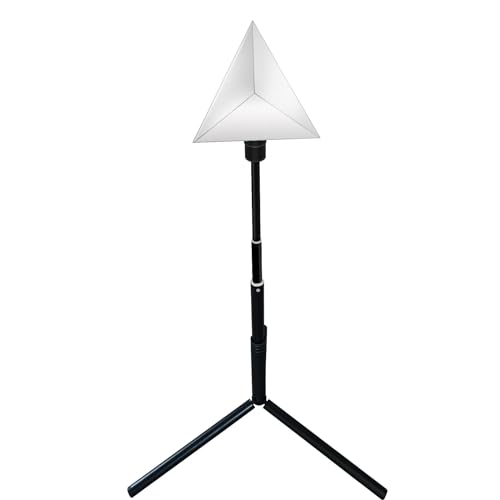
The Radar Aiming Corner Reflector Target ADAS Calibration Tool is a top choice for professional mechanics and DIY enthusiasts looking for precision in vehicle calibration. Designed for brands like Honda, Toyota, Mazda, Kia, Ford, GM, and Hyundai, it guarantees reliable calibration with high-quality corner reflectors. Its adjustable stand, ranging from 13.5 inches to 34.6 inches, guarantees easy handling and accuracy. Known for its professional quality, this tool is easy to assemble and built for durability. For any installation questions, ANGSO-AUTO provides customer support via Amazon, assuring you have a seamless experience while using this essential calibration tool.
Best For: Professional mechanics and DIY enthusiasts seeking precise calibration tools for vehicles, particularly for brands like Honda, Toyota, Mazda, Kia, Ford, GM, and Hyundai.
Pros:
- High-quality corner reflectors ensure reliable calibration for ADAS systems.
- Adjustable stand (13.5 to 34.6 inches) allows for easy handling and versatility.
- Durable construction designed for long-term use and easy assembly.
Cons:
- May be overkill for casual users or those with infrequent calibration needs.
- Requires some knowledge of ADAS systems for optimal use.
- Limited compatibility with brands outside the specified list.
ADAS Calibration Dynamic Acc Positioning Tool
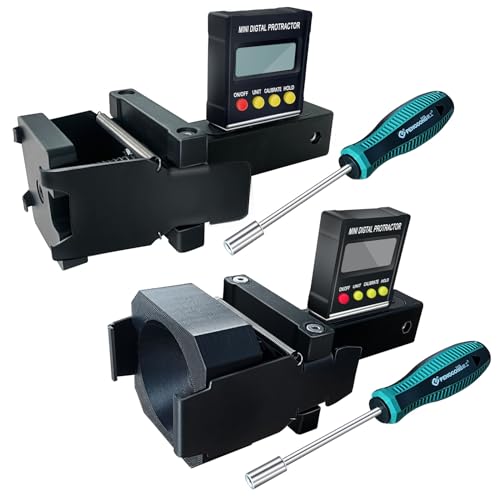
If you’re looking for a reliable solution to calibrate Adaptive Cruise Control (ACC) systems, the ADAS Calibration Dynamic Acc Positioning Tool stands out as an excellent choice. This tool is specifically designed for independent calibration of both planar and eyeball units, ensuring compatibility with brands like Benz, Tesla, and Ford. Its magnetic design allows for secure attachment, while its diagnostic scanner capabilities support all ADAS functions. Powered by two AAA batteries, which aren’t included, it enhances calibration efficiency, providing accurate adjustments for peak ACC performance. This tool truly elevates your driving experience with its advanced features and reliability.
Best For: Automotive technicians and enthusiasts seeking a reliable tool for calibrating Adaptive Cruise Control systems in various vehicle brands.
Pros:
- Versatile Compatibility: Works with multiple brands including Benz, Tesla, Ford, and more.
- Magnetic Design: Ensures secure attachment to planar units for easy calibration.
- Diagnostic Scanner: Offers comprehensive support for all ADAS functions.
Cons:
- Battery Not Included: Requires two AAA batteries that must be purchased separately.
- Limited to ACC Calibration: Primarily focused on Adaptive Cruise Control systems, may not support other ADAS features.
- Requires Technical Knowledge: Best suited for individuals with experience in automotive diagnostics and calibration.
Laser Calibration Tool for Auxiliary Calibration Plate
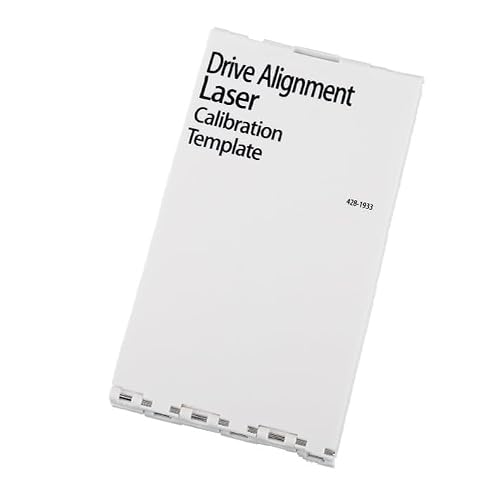
For those who require precise measurements in BDS alignment, the Laser Calibration Tool for Auxiliary Calibration Plate stands out as an essential resource. Its designated placement positions guarantee accurate laser tool setup, while the groove design allows for quick calibration. Constructed from high-quality materials, this tool resists deformation, providing long-term accuracy. Plus, its compact design means you can easily fold it for storage, occupying minimal space. Before purchasing, make certain to verify compatibility with your laser tool, as it’s designed specifically for use with the manufacturer’s equipment. This tool is a game-changer for professional calibration tasks.
Best For: Professionals in need of precise BDS alignment measurements and calibration.
Pros:
- Accurate Setup: Designated placement positions ensure accurate laser tool setup.
- Durable Construction: Made from high-quality materials that resist deformation for long-term use.
- Space-Saving Design: Folds easily for convenient storage and portability.
Cons:
- Compatibility Check Required: Must verify compatibility with specific laser tools before purchase.
- Limited Use Cases: Primarily designed for specific calibration tasks, which may not suit all users.
- Potential Learning Curve: Users may need some time to familiarize themselves with the groove design for calibration.
Factors to Consider When Choosing a Forward Collision Calibration Tool
When choosing a forward collision calibration tool, consider factors like compatibility with your vehicle models and the type of calibration you need—dynamic or static. You should also look at the diagnostic capabilities it offers and the power source requirements. Finally, think about the design and usability features to guarantee it fits your workflow seamlessly.
Compatibility With Vehicle Models
Choosing the right forward collision calibration tool hinges on its compatibility with your vehicle model, as many tools cater to specific brands or ADAS systems. It’s crucial to verify that the tool you select supports the unique configurations of your vehicle, like planar radar units or eyeball units. Always check the manufacturer’s compatibility list to confirm that the tool can accurately calibrate the ADAS systems installed in your vehicle. Tools designed for specific vehicles tend to offer better accuracy and reliability, improving the performance of your collision avoidance systems. Remember, using an incompatible tool could lead to improper calibration, jeopardizing your vehicle’s safety features and potentially resulting in costly repairs down the line.
Calibration Type: Dynamic vs. Static
Compatibility with your vehicle model is just the starting point; the type of calibration—dynamic or static—also plays a notable role in the effectiveness of your forward collision calibration tool. Dynamic calibration tools are ideal for scenarios where your vehicle is in motion, guaranteeing advanced safety features like adaptive cruise control function accurately in real-world conditions. In contrast, static calibration tools require the vehicle to be stationary, which might overlook critical variable factors affecting system performance during operation. Choosing between these two types can considerably impact the accuracy and reliability of your forward collision avoidance systems. For many modern vehicles and advanced driver assistance systems (ADAS), dynamic calibration is often necessary to meet manufacturer specifications and guarantee peak functionality.
Diagnostic Capabilities Offered
As you evaluate forward collision calibration tools, consider the diagnostic capabilities they offer; these features are vital for ensuring your vehicle’s safety systems operate effectively. Look for tools that support Advanced Driver Assistance Systems (ADAS) to guarantee accurate performance assessments. Many tools double as diagnostic scanners, letting you retrieve real-time data on collision prevention and adaptive cruise control systems. High-quality calibration tools provide precise diagnostics, minimizing the risk of misalignment issues that could compromise safety. Advanced features like dynamic calibration are significant for systems that depend on real-time sensor and camera data. Effective diagnostics can also pinpoint faults in ADAS components, allowing for timely maintenance and ensuring your safety systems function efficiently.
Power Source Requirements
Power source requirements are vital when selecting a forward collision calibration tool, as they directly affect the tool’s performance and usability. Most tools typically run on standard AAA batteries, often needing two 1.5V batteries. You’ll want to check whether the tool includes batteries, as some require you to purchase them separately. Battery life is essential; opting for energy-efficient tools can enhance your calibration efficiency. Additionally, consider tools with rechargeable battery options, which can lower ongoing costs and lessen your environmental impact. Finally, think about how easy it is to replace or recharge the power source, as this can greatly influence usability in various work settings.
Design and Usability Features
When selecting a forward collision calibration tool, you’ll want to prioritize design and usability features that enhance your efficiency and effectiveness. Look for tools that include magnetic attachments for secure positioning, making your calibration process smoother. Lightweight and portable designs are essential, allowing for easy transport between workshops and mobile service settings. A user-friendly interface enables quick setup and operation, minimizing the need for extensive training. Additionally, adjustable components like stands can accommodate various vehicle sizes, ensuring precise alignment. Don’t overlook durability; materials should resist deformation and wear, guaranteeing long-term accuracy and reliability. By focusing on these aspects, you’ll find a tool that meets your calibration needs effectively.
Calibration Accuracy and Efficiency
Calibration accuracy and efficiency are essential for the ideal performance of Advanced Driver Assistance Systems (ADAS). Even minor discrepancies in calibration can pose significant safety risks. When choosing a calibration tool, consider dynamic calibration options, as they typically offer higher accuracy by accounting for real-time vehicle movements. Look for tools made from high-quality materials like billet aluminum, which enhance durability and maintain precision over time. Integrated features such as adjustable stands with graduated scales can streamline the calibration process, minimizing setup time and reducing potential errors. Additionally, tools with diagnostic capabilities can help you identify issues within ADAS functions, guaranteeing everything is accurately calibrated and ready for safe operation. Prioritize these factors to guarantee peak performance and safety.
Size and Portability Considerations
Assuring accurate calibration of Advanced Driver Assistance Systems (ADAS) goes hand in hand with considering the size and portability of your forward collision calibration tool. You’ll want a compact design that makes handling and transport easy, especially if you’re a mobile technician. Lightweight tools and foldable components can enhance your convenience during calibration tasks. Look for options that fit well in standard workshop environments, maximizing space and assuring easy access. Weight matters too; heavier tools can slow your workflow and become cumbersome. Finally, consider tools with storage solutions, like carrying cases or built-in compartments, to keep everything organized and portable. By prioritizing these factors, you’ll assure a smoother calibration process.
Warranty and Return Policy
Choosing a forward collision calibration tool involves more than just technical specifications; warranty and return policies play an essential role too. Start by considering the warranty duration; some tools come with a standard 30-day warranty, while others might offer extended coverage. Look for clear return policies, ideally allowing returns within 30 days, to guarantee you can easily return the product if it doesn’t meet your expectations. It’s also vital to check conditions for returns, like whether the product must be unused or unopened. Don’t forget to review customer feedback about warranty claims and returns, as this reveals the manufacturer’s customer service quality. Finally, confirm the availability of warranty information, even if it’s not prominently displayed.