Older wheels need more than a strong cleaner. Aging clear coats, polished metal, painted surfaces, and delicate finishes can react poorly to harsh acids or aggressive scrubbing.
We compared 10 wheel cleaners for older cars by finish compatibility, cleaning strength, application style, and everyday value, so you can choose a formula that removes brake dust without creating new cosmetic problems.
Best 10 Wheel Cleaners for Older Cars Picks for 2026
Deep Decontamination Pick
Turtle Wax Iron Remover & Wheel Cleaner
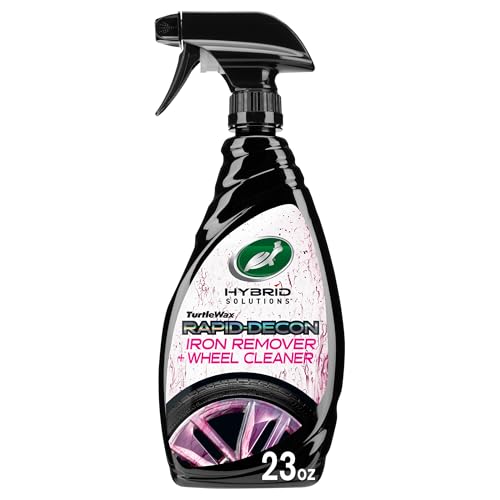
- Targets iron particles, brake dust, and road grime
- Acid-free, pH-neutral formula for multiple surfaces
- Purple color change shows iron reaction
Best For: Periodic deep cleaning of older cars with embedded brake dust
Heavy-Duty All-Finish Pick
Griot's Garage Heavy-Duty Wheel Cleaner

- Breaks down stubborn brake dust and road grime
- pH-balanced and non-acidic
- Suitable for several painted and metal wheel finishes
Best For: Older cars with heavy brake dust and varied wheel finishes
Fast Routine-Cleaning Pick
Armor All Extreme Wheel and Tire Cleaner

- Cleans wheels and tires together
- Targets dirt, grease, tar, and brake dust
- Works after a 30-second soak
Best For: Quick upkeep of older cars with everyday wheel and tire grime
Showroom-Finish Pick
Jay Leno's Garage Wheel Cleaner

- Color-changing formula targets iron and brake dust
- Suitable for several common wheel finishes
- Designed for a showroom-ready appearance
Best For: Detail-oriented owners restoring the look of older car wheels
All-Finish Foaming Pick
Chemical Guys Signature Series Wheel Cleaner

- Foaming spray clings for better dwell time
- Safe across many gloss wheel finishes
- Works on wheels, lug nuts, and related components
Best For: Older cars with mixed or custom wheel finishes
Bulk Pro-Grade Cleaner
P & S Brake Buster Wheel and Tire Cleaner

- Gallon-size format suits frequent cleaning
- Non-acid formula covers multiple wheel finishes
- Can be diluted for foam-sprayer use
Best For: Frequent maintenance and professional-style detailing
Concentrated pH-Neutral Choice

- pH-neutral formula covers wheels and tires
- Clinging gel can be diluted to extend use
- Also cleans calipers, rotors, and whitewalls
Best For: Mixed wheel-and-tire cleaning on older vehicles
Heavy-Duty Gallon Pick

- Targets brake dust, browning, and buildup
- Safe on many common wheel finishes
- Gallon size suits repeated detailing
Best For: Frequent cleaning of older cars and neglected tires
Ready-to-Use Detailer
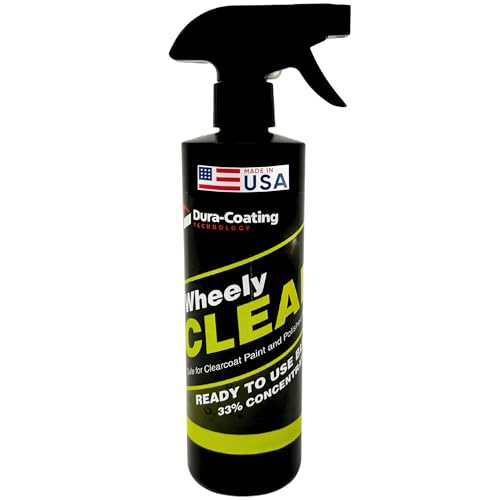
- Spray-on formula needs no dilution
- Targets brake dust and road grime
- Suitable for aluminum, chrome, and clear-coated wheels
Best For: Convenient occasional wheel cleaning
Foaming Visual-Clean Pick

- High-foaming formula lifts dirt and brake dust
- Foam changes color as contaminants dissolve
- Safe for stated wheel, tire, and wheel-well uses
Best For: DIY users who want visible cleaning action
Deep Decontamination Pick – Turtle Wax Iron Remover & Wheel Cleaner
For older cars with baked-on brake dust or embedded iron contamination, this Turtle Wax formula is one of the more versatile wheel cleaners for older cars. Its pH-neutral, acid-free formula is designed for wheels as well as painted surfaces, clear coats, polished metal, chrome, and glass.
Best For: Older vehicles needing iron and brake-dust decontamination across multiple exterior surfaces.
Pros:
- Removes embedded iron particles, brake dust, and road grime.
- pH-neutral and acid-free for use on many wheel and exterior finishes.
- Turns purple when reacting with iron or rust, making the cleaning action visible.
- Includes scent-blocking technology to reduce the typical iron-remover odor.
Cons:
- The 23-ounce bottle is smaller than some competing options.
- Its specialty iron-removal focus may be more than needed for light routine dirt.
This is a strong choice when an older car needs more than a basic rinse. The visible color change and broad surface compatibility make it useful for periodic deep cleaning and preparation before waxing or polishing.
Heavy-Duty All-Finish Pick – Griot's Garage Heavy-Duty Wheel Cleaner
Griot’s Garage is a practical option for older cars that have accumulated stubborn brake dust and road grime. Among wheel cleaners for older cars, it stands out for its pH-balanced, non-acidic formula and compatibility with painted, chromed, uncoated aluminum, powder-coated, and anodized wheels.
Best For: Heavy brake-dust cleaning when the car has different or delicate wheel finishes.
Pros:
- Clings to wheels and breaks down stubborn brake dust and grime.
- Safe for a wide range of wheel finishes when used as directed.
- Turns deep purple as it interacts with brake dust.
- Simple three-to-five-minute dwell process before gentle agitation and rinsing.
Cons:
- Requires a dwell period and gentle agitation for the stated cleaning process.
- The 35-ounce size may be less convenient for compact storage.
Choose this cleaner when an older vehicle needs substantial wheel cleaning without relying on an acidic formula. Its broad finish compatibility and visible reaction make it a capable maintenance option for mixed wheel types.
Fast Routine-Cleaning Pick – Armor All Extreme Wheel and Tire Cleaner
Armor All Extreme is a straightforward choice for routine wheel and tire care on older vehicles. It is designed to work on factory and aftermarket finishes, including alloy, steel, chrome, plastic wheel trims, wheel covers, and hubcaps, while targeting dirt, grease, tar, and brake dust.
Best For: Quick maintenance cleaning of wheels and tires with visible everyday grime.
Pros:
- Works on wheels and tires in one cleaning step.
- Compatible with several common wheel-cover, trim, and wheel finishes.
- Targets grease, tar, stubborn dirt, and brake dust.
- Designed to work after a short 30-second soak.
Cons:
- It does not offer the supplied notes’ color-changing iron-reaction feature.
- Wheels and tires should be cool before use, followed by rinsing and drying.
For owners who want a simple spray for regular upkeep, this is an accessible pick. The wheel-and-tire format and short soak time suit older cars that need frequent cleaning rather than specialized iron decontamination.
Showroom-Finish Pick – Jay Leno's Garage Wheel Cleaner
Jay Leno’s Garage Wheel Cleaner is aimed at older-car owners who want a strong brake-dust remover with a polished, showroom-ready result. It uses a color-changing reaction to address iron particles and is described as suitable for painted, alloy, powder-coated, clear-coated, chrome, and aluminum surfaces when used as directed.
Best For: Show-focused cleaning of older cars with stubborn brake residue and grime.
Pros:
- Color-changing formula reacts with iron particles and brake dust.
- Designed for common painted, alloy, powder-coated, and clear-coated finishes.
- Heavy-duty cleaning is intended to reduce the need for harsh scrubbing.
- Promotes a clean, showroom-ready appearance.
Cons:
- The notes emphasize checking compatibility before use.
- Its showroom-oriented positioning may be unnecessary for basic maintenance cleaning.
This cleaner fits owners who treat an older car as a detailing project or want to refresh neglected wheels. The iron-reactive formula and broad stated finish compatibility make it a compelling option for tackling visible brake residue.
All-Finish Foaming Pick – Chemical Guys Signature Series Wheel Cleaner
For older cars with chrome, painted, or custom wheels, this fast-acting foaming cleaner is a practical choice among wheel cleaners for older cars. Its clinging spray helps loosen brake dust, road grime, oxidation, and light debris before rinsing or agitation.
Best For: Older vehicles with varied wheel finishes and owners who want a versatile weekly cleaner.
Pros:
- Safe for chrome, painted, powder-coated, anodized, and clear-coated wheels.
- Foaming action clings to surfaces for added dwell time.
- Works on wheel barrels, center caps, lug nuts, and suspension components.
- Suitable for cars, trucks, SUVs, motorcycles, RVs, and off-road vehicles.
Cons:
- The 16-ounce bottle is smaller than the gallon-size alternative.
- The notes describe effectiveness for light debris but do not promise removal of severe buildup in every case.
This is a flexible all-finish option when an older car needs regular brake-dust and road-grime maintenance without limiting you to one wheel material.
Bulk Pro-Grade Cleaner – P & S Brake Buster Wheel and Tire Cleaner
For maintaining an older car that sees frequent use, this gallon-size non-acid formula offers a professional-style approach to wheel cleaners for older cars. It targets brake dust, oil, dirt, light corrosion, and other road contaminants while supporting dilution for foam-sprayer use.
Best For: High-use vehicles, detailers, and owners who want a large-volume cleaner for repeated wheel and tire maintenance.
Pros:
- Non-acid formula is designed for chrome, aluminum, painted, powder-coated, and steel wheels.
- Can be used straight from the bottle or diluted in a foam sprayer.
- Foaming action reaches hard-to-access areas.
- Leaves a protective coating intended to help repel future grime, brake dust, and oxidation.
Cons:
- The 128-fluid-ounce container may be excessive for occasional users.
- Its unscented formula may not suit shoppers seeking a fragranced cleaner.
Brake Buster stands out when value, volume, and repeated cleaning matter. Its non-acid formulation and broad wheel compatibility make it a sensible maintenance choice for many older vehicles.
Concentrated pH-Neutral Choice – CAR GUYS Wheel Cleaner
Older cars often need a cleaner that can handle both wheels and aging tire surfaces. This concentrated, pH-neutral formula is a versatile entry among wheel cleaners for older cars, with a clinging gel designed to remove brake dust, road grime, old tire dressing, and related exterior buildup.
Best For: Owners seeking one ready-to-spray cleaner for alloy, chrome, aluminum wheels, tires, calipers, and whitewalls.
Pros:
- pH-neutral formula is designed for wheels and tires.
- Safe for alloy, chrome, aluminum, and more.
- Concentrated gel clings with minimal runoff and can be diluted.
- Also targets calipers, rotors, exhaust tips, old tire dressing, and whitewall tires.
Cons:
- The 18-ounce bottle is smaller than the gallon-size option.
- Its lemon scent may not appeal to shoppers who prefer unscented products.
This is a useful all-around pick for an older car needing both wheel and tire care. The concentrate provides flexibility, while the pH-neutral positioning favors routine exterior cleaning across several surfaces.
Heavy-Duty Gallon Pick – Adam's Wheel & Tire Cleaner
For older cars with accumulated browning, road grime, and brake dust, Adam’s Wheel & Tire Cleaner is a practical high-volume option. Its concentrated, high-sudsing formula is designed to clean wheels, tires, and wheel wells while being safe on many common finishes.
Best For: Older vehicles needing thorough wheel-and-tire cleaning, especially owners who want a gallon-size supply for repeated detailing.
Pros:
- Targets dirt, browning, brake dust, grease, wax buildup, and old tire dressing.
- Suitable for clear-coated, powder-coated, chrome, alloy, and painted wheels.
- Helps prepare tires for longer-lasting tire dressing.
Cons:
- Its gallon size may be more than occasional users need.
- The product is concentrated, so users should follow the product directions carefully.
Choose this cleaner when versatility and frequent use matter more than a compact spray bottle. It is especially appealing for restoring neglected tires and maintaining multiple wheel finishes.
Ready-to-Use Detailer – Dura-Coating Wheely Clean
Dura-Coating Wheely Clean is a convenient ready-to-use choice among wheel cleaners for older cars. The 16-ounce spray is aimed at brake dust and road grime, with stated compatibility for aluminum, chrome, and clear-coated wheels.
Best For: Drivers who want a compact, straightforward spray for occasional wheel cleaning and light detailing routines.
Pros:
- Ready-to-use formula requires no mixing.
- Designed to remove stubborn brake dust and road grime.
- Works with a simple spray, 1–2 minute soak, brush scrub, and rinse process.
Cons:
- The 16-ounce bottle offers less product than a gallon-format cleaner.
- Thorough cleaning still calls for a wheel brush and scrubbing.
This is a sensible pick when ease and storage convenience are priorities. Its stated surface range makes it useful for older cars with aluminum, chrome, or clear-coated wheels, provided the care directions are followed.
Foaming Visual-Clean Pick – Black Magic Intense Foam
Black Magic Intense Foam Wheel & Tire Cleaner offers a visible, high-foaming approach for older cars with dirty wheels and tires. Its color-changing foam turns from white to brown as contaminants dissolve, and the spray is stated to be safe for all wheels, tires, and wheel wells.
Best For: DIY detailers who prefer a foaming cleaner with a visual cue and a fresh cherry scent.
Pros:
- High-foaming action targets dirt, grime, and brake dust.
- Color-changing foam helps show when contaminants are being dissolved.
- Stated to be safe for all wheel types, tires, and wheel wells.
Cons:
- The 22-ounce bottle may not suit high-volume detailing.
- The cherry scent may not appeal to every user.
Black Magic is a good fit when you want an easy spray application and an immediate visual indication that the cleaner is working. It provides a convenient option for routine wheel-and-tire maintenance on older vehicles.
How We Picked the Best Wheel Cleaners for Older Cars
We focused on products that balance cleaning performance with finish safety. Older vehicles may have factory-painted wheels, chrome, aluminum, alloy, or previously refinished rims, so broad compatibility and clear usage directions matter. We also considered whether each cleaner is pH-balanced or non-acid, how well it targets brake dust and road grime, whether it can be used on tires, and the practicality of its spray or concentrate format.
Because wheel condition varies, no cleaner is automatically safe for every surface. Always read the label, test a hidden area, keep the wheel cool, and avoid letting the product dry.
Quick Comparison
| Best For | What to Look For | Recommended Type |
|---|---|---|
| Delicate or aging finishes | Non-acid or pH-balanced formula | Gentle all-finish cleaner |
| Baked-on brake dust | Iron-removing or heavy-duty cleaning action | Dedicated wheel decontaminant |
| Wheel and tire maintenance | Multi-surface use and generous coverage | Wheel-and-tire cleaner |
| Frequent detailing | Large volume or concentrated formula | Gallon or professional-size product |
Key Buying Factors for Wheel Cleaners for Older Cars
Finish Compatibility
Choose a product labeled for your wheel material. Painted, clear-coated, chrome, and aluminum wheels often tolerate different levels of chemical strength. If the finish is peeling, pitted, or previously repaired, favor a mild, non-acid formula and use a soft brush.
Cleaning Strength
Iron-removing formulas are useful when dark brake dust has bonded to the surface. For routine dirt, a standard pH-balanced cleaner may be sufficient and less demanding on aging finishes. Stronger is not always better for older wheels.
Application and Dwell Time
Foaming sprays can improve coverage, while ready-to-use formulas simplify occasional cleaning. A product that requires agitation may clean more thoroughly, but avoid stiff brushes that can mark soft or oxidized surfaces. Never allow cleaner to dry in direct sun.
Wheel-And-Tire Versatility
A dual-purpose product can reduce the number of bottles needed, but check whether it is approved for rubber, valve stems, and painted components. Rinse thoroughly, especially around wheel weights and brake hardware.
Who Should Buy Which Wheel Cleaners for Older Cars?
- For cautious maintenance: Choose a pH-balanced, all-finish cleaner if your wheels are older but reasonably clean.
- For stubborn brake dust: Select an iron-removing or heavy-duty formula, then rinse promptly and use it only as directed.
- For complete wheel-and-tire cleaning: Pick a versatile cleaner labeled for both surfaces and pair it with separate soft brushes.
- For frequent or professional detailing: A larger-size or concentrated product can offer better value and consistent coverage.
- For uncertain or damaged finishes: Start with the mildest compatible option, perform a spot test, and consult the wheel manufacturer or refinisher if the surface is peeling or heavily oxidized.