The 12V Oil Extractor Pump review is straightforward: this is a utility tool for moving thick fluids without turning an oil change into a crawl-under-the-engine ordeal.
If you need a compact pump for cars, mowers, boats, or similar maintenance jobs, the listing points to a focused, no-frills solution.
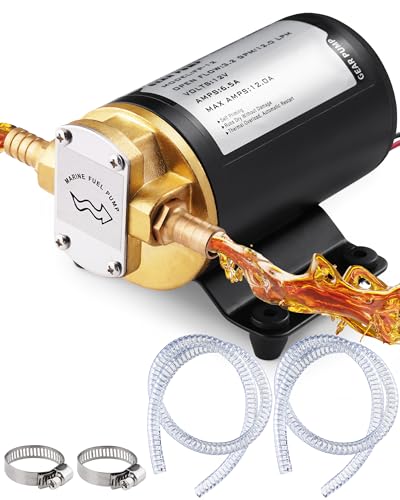
12V Oil Pump Review Summary
The 12V Oil Extractor Pump is best for buyers who want a simple electric transfer pump for oil and related fluids, especially when the job involves a drain pan, service port, or bilge area rather than a dipstick-style extraction setup.
It is a good fit for practical owners who value ease of use, thermal protection, and the ability to handle thicker oils without relying on a more complicated system.
Best for: DIY maintenance, marine oil changes, mower service, and general fluid transfer where a 12V powered pump makes the task cleaner and faster.
Skip it if: you specifically need a dipstick-tube oil extractor, a fully sealed professional-grade transfer cart, or a tool for highly specialized workshop workflows.
Review Scorecard
| Category | Score | Rationale |
|---|---|---|
| Transfer versatility | 9/10 | The listing supports motor oil, gear oil, transmission fluid, diesel fuel, kerosene, and lubricants. |
| Thick-fluid handling | 8/10 | The pump is described as capable of handling thick oils like 80W-90. |
| Convenience | 8/10 | 12V power and self-priming design reduce setup friction for routine maintenance. |
| Safety features | 8/10 | Built-in thermal protection is a useful safeguard for longer runs. |
| Build confidence | 7/10 | All-copper motor, impeller, and pump head suggest a more serious construction approach. |
| Use-case clarity | 7/10 | The listing is clear about what it is for, and also clear that it is not for dipstick extraction. |
Key Features and Specifications of 12V Oil Pump
This pump is positioned as a 12V self-priming gear pump for transferring fluids rather than a delicate specialty extractor.
The listing emphasizes a narrow but useful maintenance role: moving oil and related liquids from tanks, drain pans, or service points in a clean, controlled way.
Core listed details include:
- 12V DC operation
- 78W standard power
- 120W max load
- 3.2 GPM flow rate
- 0.3 MPa / 43.5 PSI maximum pressure
- Up to 120 minutes work cycle
- All-copper motor, impeller, and pump head
- Built-in thermal protection
The product description also says it can transfer motor oil, gear oil, transmission fluid, waste oil, lubricants, diesel fuel, and kerosene.
That makes it more flexible than a one-fluid tool, as long as the buyer understands the pump is built for transfer work, not for every possible extraction method.
One detail matters more than the rest: the listing says it is not for extracting oil through the dipstick tube.
That limits some common consumer expectations, but it also prevents confusion.
Buyers who need a pump for service-port or drain-pan work get a clearer match than buyers who want a suction wand for the engine bay.
Pros and Cons of 12V Oil Pump
Pros
- Useful fluid range: The listing covers several common maintenance fluids, which makes the pump more than a one-job accessory.
- Handles thicker oils: Support for 80W-90 is a real advantage for gear oil and similar use cases.
- Thermal protection: That adds a practical safety buffer during longer sessions.
- Copper construction claim: An all-copper motor, impeller, and pump head are better signs than vague plastic-heavy marketing copy.
- 12V convenience: It fits vehicle and marine maintenance scenarios where portable power is helpful.
Cons
- Not a dipstick extractor: Some buyers will expect that style of oil change tool and will need to look elsewhere.
- Limited workflow context: The listing describes performance, but not a full kit with highly detailed accessories or professional-grade controls.
- Best viewed as a transfer pump: It is practical, not specialized; that is a strength for some buyers and a limitation for others.
Who Should Buy 12V Oil Pump?
This product makes the most sense for people who need a cleaner way to move fluids during maintenance and already know their workflow involves a tank, drain pan, fill port, or other accessible point.
It fits DIY car owners, mower owners, boat owners, and anyone else who wants a compact 12V transfer pump for periodic maintenance rather than daily shop use.
It is also a good match for buyers who deal with thicker gear oil or transmission fluid and want a pump that is explicitly advertised for those jobs.
The thermal protection and the copper construction claims strengthen the case if you want something that feels a little more durable than an ultra-cheap disposable pump.
On the other hand, skip it if your main goal is dipstick-tube oil extraction.
The listing directly rules that out, so choosing this pump for the wrong workflow would create frustration.
It is also not the best fit if you need an all-in-one professional service system with a long list of attachments, gauges, or heavy-duty commercial duty cycles beyond the stated 120-minute work cycle.
Oil Transfer Use Cases and Limits of 12V Oil Pump
Car and Small Engine Maintenance
For car owners and small-engine users, the appeal is simple: this pump is meant to reduce mess and save time when moving oil out of a system or from one container to another.
The listing language about avoiding tight engine bays and drain-bolt messes speaks directly to the kind of maintenance work many DIY buyers actually face.
Marine and Garage Work
The marine angle is important because the pump is described as suitable for boats and outboard use.
That makes sense for buyers who need to move oil or related fluids around a bilge, service port, or compartment where hand tools become awkward quickly.
Thick Oil and Multi-Fluid Handling
The mention of 80W-90 gear oil is a meaningful signal.
Not every transfer pump handles thicker fluids comfortably, so this claim improves the pump’s usefulness for buyers who maintain gearboxes, differentials, or similar equipment.
The multi-fluid list also adds flexibility, though buyers should still stay within the intended transfer use case.
What the Pump Is Not For
The cleanest way to evaluate this listing is to look at what it excludes.
It is not presented as a dipstick extractor, and it does not try to be a universal workshop machine.
That restraint is actually helpful: the best buyers are the ones who want a dedicated 12V transfer pump and can live with that focused design.
Alternatives to 12V Oil Pump
If you want a different style of oil transfer tool, these Amazon search pages are the safest starting points:
- Mityvac fluid extractor
- Pittsburgh Automotive fluid extractor
- Seesii oil transfer pump
- VEVOR oil transfer pump
Choose an alternative if you need a different extraction style, a more established brand in your workflow, or a kit with accessories better suited to your specific vehicle or marine setup.
The right comparison point depends less on headline power and more on whether you need suction extraction, transfer pumping, or a broader service kit.
Is 12V Oil Pump Worth It?
Yes, if you want a practical 12V pump for moving oil and related fluids and you understand the limitations of the design.
The strongest reasons to buy are the broad fluid compatibility, the stated ability to handle thicker oil, the thermal protection, and the clearer-than-usual warning that it is not meant for dipstick extraction.
If your maintenance work matches that description, this looks like a sensible, focused tool.
If you need a true dipstick oil extractor or a more complex professional setup, keep shopping.